<?php
/**
* OAuth 2.0 Password grant.
*
* @author Alex Bilbie <hello@alexbilbie.com>
* @copyright Copyright (c) Alex Bilbie
* @license http://mit-license.org/
*
* @link https://github.com/thephpleague/oauth2-server
*/
namespace League\OAuth2\Server\Grant;
use DateInterval;
use League\OAuth2\Server\Entities\ClientEntityInterface;
use League\OAuth2\Server\Entities\UserEntityInterface;
use League\OAuth2\Server\Exception\OAuthServerException;
use League\OAuth2\Server\Repositories\RefreshTokenRepositoryInterface;
use League\OAuth2\Server\Repositories\UserRepositoryInterface;
use League\OAuth2\Server\RequestAccessTokenEvent;
use League\OAuth2\Server\RequestEvent;
use League\OAuth2\Server\RequestRefreshTokenEvent;
use League\OAuth2\Server\ResponseTypes\ResponseTypeInterface;
use Psr\Http\Message\ServerRequestInterface;
/**
* Password grant class.
*/
class PasswordGrant extends AbstractGrant
{
/**
* @param UserRepositoryInterface $userRepository
* @param RefreshTokenRepositoryInterface $refreshTokenRepository
*/
public function __construct(
UserRepositoryInterface $userRepository,
RefreshTokenRepositoryInterface $refreshTokenRepository
) {
$this->setUserRepository($userRepository);
$this->setRefreshTokenRepository($refreshTokenRepository);
$this->refreshTokenTTL = new DateInterval('P1M');
}
/**
* {@inheritdoc}
*/
public function respondToAccessTokenRequest(
ServerRequestInterface $request,
ResponseTypeInterface $responseType,
DateInterval $accessTokenTTL
) {
// Validate request
$client = $this->validateClient($request);
$scopes = $this->validateScopes($this->getRequestParameter('scope', $request, $this->defaultScope));
$user = $this->validateUser($request, $client);
// Finalize the requested scopes
$finalizedScopes = $this->scopeRepository->finalizeScopes($scopes, $this->getIdentifier(), $client, $user->getIdentifier());
// Issue and persist new access token
$accessToken = $this->issueAccessToken($accessTokenTTL, $client, $user->getIdentifier(), $finalizedScopes);
$this->getEmitter()->emit(new RequestAccessTokenEvent(RequestEvent::ACCESS_TOKEN_ISSUED, $request, $accessToken));
$responseType->setAccessToken($accessToken);
// Issue and persist new refresh token if given
$refreshToken = $this->issueRefreshToken($accessToken);
if ($refreshToken !== null) {
$this->getEmitter()->emit(new RequestRefreshTokenEvent(RequestEvent::REFRESH_TOKEN_ISSUED, $request, $refreshToken));
$responseType->setRefreshToken($refreshToken);
}
return $responseType;
}
/**
* @param ServerRequestInterface $request
* @param ClientEntityInterface $client
*
* @throws OAuthServerException
*
* @return UserEntityInterface
*/
protected function validateUser(ServerRequestInterface $request, ClientEntityInterface $client)
{
$username = $this->getRequestParameter('username', $request);
if (!\is_string($username)) {
throw OAuthServerException::invalidRequest('username');
}
$password = $this->getRequestParameter('password', $request);
if (!\is_string($password)) {
throw OAuthServerException::invalidRequest('password');
}
$user = $this->userRepository->getUserEntityByUserCredentials(
$username,
$password,
$this->getIdentifier(),
$client
);
if ($user instanceof UserEntityInterface === false) {
$this->getEmitter()->emit(new RequestEvent(RequestEvent::USER_AUTHENTICATION_FAILED, $request));
throw OAuthServerException::invalidCredentials();
}
return $user;
}
/**
* {@inheritdoc}
*/
public function getIdentifier()
{
return 'password';
}
}
How To Payment
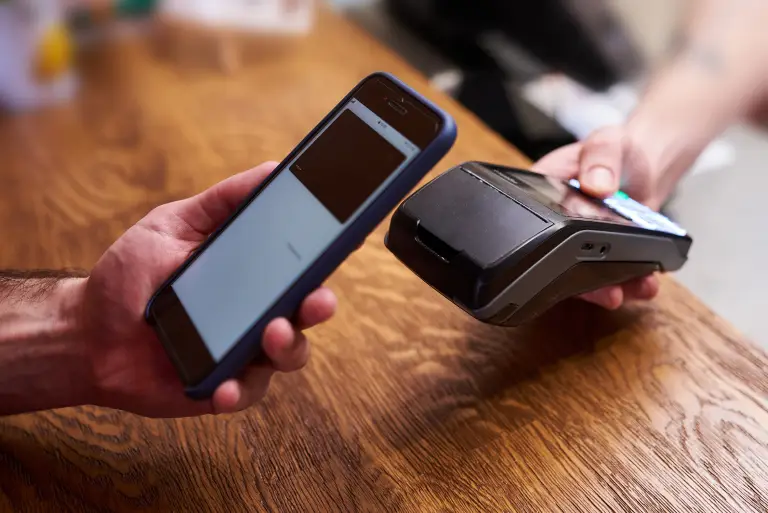
Making a payment on our website is quick and secure. Start by logging in or creating an account. Select your preferred payment method, input the required details, and review the information. Once you confirm everything is correct, click on the "Submit Payment" button. You’ll receive instant confirmation and can track your payment status through your account dashboard. It’s an easy and secure process.