
/home/kueuepay/public_html/vendor/mockery/mockery/docs/getting_started/simple_example.rst
.. index::
    single: Getting Started; Simple Example

Simple Example
==============

Imagine we have a ``Temperature`` class which samples the temperature of a
locale before reporting an average temperature. The data could come from a web
service or any other data source, but we do not have such a class at present.
We can, however, assume some basic interactions with such a class based on its
interaction with the ``Temperature`` class:

.. code-block:: php

    class Temperature
    {
        private $service;

        public function __construct($service)
        {
            $this->service = $service;
        }

        public function average()
        {
            $total = 0;
            for ($i=0; $i<3; $i++) {
                $total += $this->service->readTemp();
            }
            return $total/3;
        }
    }

Even without an actual service class, we can see how we expect it to operate.
When writing a test for the ``Temperature`` class, we can now substitute a
mock object for the real service which allows us to test the behaviour of the
``Temperature`` class without actually needing a concrete service instance.

.. code-block:: php

    use \Mockery;

    class TemperatureTest extends \PHPUnit\Framework\TestCase
    {
        public function tearDown()
        {
            Mockery::close();
        }

        public function testGetsAverageTemperatureFromThreeServiceReadings()
        {
            $service = Mockery::mock('service');
            $service->shouldReceive('readTemp')
                ->times(3)
                ->andReturn(10, 12, 14);

            $temperature = new Temperature($service);

            $this->assertEquals(12, $temperature->average());
        }
    }

We create a mock object which our ``Temperature`` class will use and set some
expectations for that mock — that it should receive three calls to the ``readTemp``
method, and these calls will return 10, 12, and 14 as results.

.. note::

    PHPUnit integration can remove the need for a ``tearDown()`` method. See
    ":doc:`/reference/phpunit_integration`" for more information.
Payment System
top

Simple Steps to Complete Your Payment Securely and Efficiently

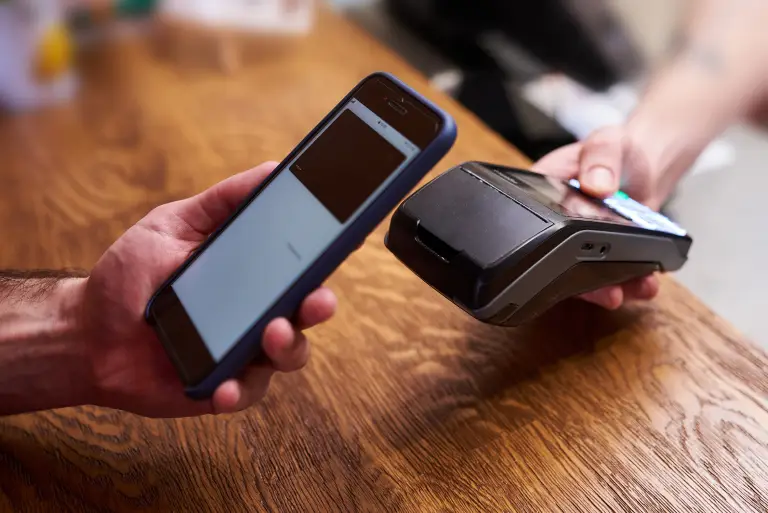
Making a payment on our website is quick and secure. Start by logging in or creating an account. Select your preferred payment method, input the required details, and review the information. Once you confirm everything is correct, click on the "Submit Payment" button. You’ll receive instant confirmation and can track your payment status through your account dashboard. It’s an easy and secure process.

  • Go to the Payment Section: Access the payment area on our website or app.
  • Choose Your Payment Method: Select your preferred payment option.
  • Enter Payment Details: Provide the necessary payment information.
  • Verify Your Information: Check that all details are correct.
  • Confirm Your Payment: Click "Submit Payment" to complete the transaction.
img