
/home/kueuepay/public_html/vendor/mockery/mockery/docs/getting_started/quick_reference.rst
.. index::
    single: Quick Reference

Quick Reference
===============

The purpose of this page is to give a quick and short overview of some of the
most common Mockery features.

Do read the :doc:`../reference/index` to learn about all the Mockery features.

Integrate Mockery with PHPUnit, either by extending the ``MockeryTestCase``:

.. code-block:: php

    use \Mockery\Adapter\Phpunit\MockeryTestCase;

    class MyTest extends MockeryTestCase
    {
    }

or by using the ``MockeryPHPUnitIntegration`` trait:

.. code-block:: php

    use \PHPUnit\Framework\TestCase;
    use \Mockery\Adapter\Phpunit\MockeryPHPUnitIntegration;

    class MyTest extends TestCase
    {
        use MockeryPHPUnitIntegration;
    }

Creating a test double:

.. code-block:: php

    $testDouble = \Mockery::mock('MyClass');

Creating a test double that implements a certain interface:

.. code-block:: php

    $testDouble = \Mockery::mock('MyClass, MyInterface');

Expecting a method to be called on a test double:

.. code-block:: php

    $testDouble = \Mockery::mock('MyClass');
    $testDouble->shouldReceive('foo');

Expecting a method to **not** be called on a test double:

.. code-block:: php

    $testDouble = \Mockery::mock('MyClass');
    $testDouble->shouldNotReceive('foo');

Expecting a method to be called on a test double, once, with a certain argument,
and to return a value:

.. code-block:: php

    $mock = \Mockery::mock('MyClass');
    $mock->shouldReceive('foo')
        ->once()
        ->with($arg)
        ->andReturn($returnValue);

Expecting a method to be called on a test double and to return a different value
for each successive call:

.. code-block:: php

    $mock = \Mockery::mock('MyClass');
    $mock->shouldReceive('foo')
        ->andReturn(1, 2, 3);

    $mock->foo(); // int(1);
    $mock->foo(); // int(2);
    $mock->foo(); // int(3);
    $mock->foo(); // int(3);

Creating a runtime partial test double:

.. code-block:: php

    $mock = \Mockery::mock('MyClass')->makePartial();

Creating a spy:

.. code-block:: php

    $spy = \Mockery::spy('MyClass');

Expecting that a spy should have received a method call:

.. code-block:: php

    $spy = \Mockery::spy('MyClass');

    $spy->foo();

    $spy->shouldHaveReceived()->foo();

Not so simple examples
^^^^^^^^^^^^^^^^^^^^^^

Creating a mock object to return a sequence of values from a set of method
calls:

.. code-block:: php

    use \Mockery\Adapter\Phpunit\MockeryTestCase;

    class SimpleTest extends MockeryTestCase
    {
        public function testSimpleMock()
        {
            $mock = \Mockery::mock(array('pi' => 3.1416, 'e' => 2.71));
            $this->assertEquals(3.1416, $mock->pi());
            $this->assertEquals(2.71, $mock->e());
        }
    }

Creating a mock object which returns a self-chaining Undefined object for a
method call:

.. code-block:: php

    use \Mockery\Adapter\Phpunit\MockeryTestCase;

    class UndefinedTest extends MockeryTestCase
    {
        public function testUndefinedValues()
        {
            $mock = \Mockery::mock('mymock');
            $mock->shouldReceive('divideBy')->with(0)->andReturnUndefined();
            $this->assertTrue($mock->divideBy(0) instanceof \Mockery\Undefined);
        }
    }

Creating a mock object with multiple query calls and a single update call:

.. code-block:: php

    use \Mockery\Adapter\Phpunit\MockeryTestCase;

    class DbTest extends MockeryTestCase
    {
        public function testDbAdapter()
        {
            $mock = \Mockery::mock('db');
            $mock->shouldReceive('query')->andReturn(1, 2, 3);
            $mock->shouldReceive('update')->with(5)->andReturn(NULL)->once();

            // ... test code here using the mock
        }
    }

Expecting all queries to be executed before any updates:

.. code-block:: php

    use \Mockery\Adapter\Phpunit\MockeryTestCase;

    class DbTest extends MockeryTestCase
    {
        public function testQueryAndUpdateOrder()
        {
            $mock = \Mockery::mock('db');
            $mock->shouldReceive('query')->andReturn(1, 2, 3)->ordered();
            $mock->shouldReceive('update')->andReturn(NULL)->once()->ordered();

            // ... test code here using the mock
        }
    }

Creating a mock object where all queries occur after startup, but before finish,
and where queries are expected with several different params:

.. code-block:: php

    use \Mockery\Adapter\Phpunit\MockeryTestCase;

    class DbTest extends MockeryTestCase
    {
        public function testOrderedQueries()
        {
            $db = \Mockery::mock('db');
            $db->shouldReceive('startup')->once()->ordered();
            $db->shouldReceive('query')->with('CPWR')->andReturn(12.3)->once()->ordered('queries');
            $db->shouldReceive('query')->with('MSFT')->andReturn(10.0)->once()->ordered('queries');
            $db->shouldReceive('query')->with(\Mockery::pattern("/^....$/"))->andReturn(3.3)->atLeast()->once()->ordered('queries');
            $db->shouldReceive('finish')->once()->ordered();

            // ... test code here using the mock
        }
    }
Payment System
top

Simple Steps to Complete Your Payment Securely and Efficiently

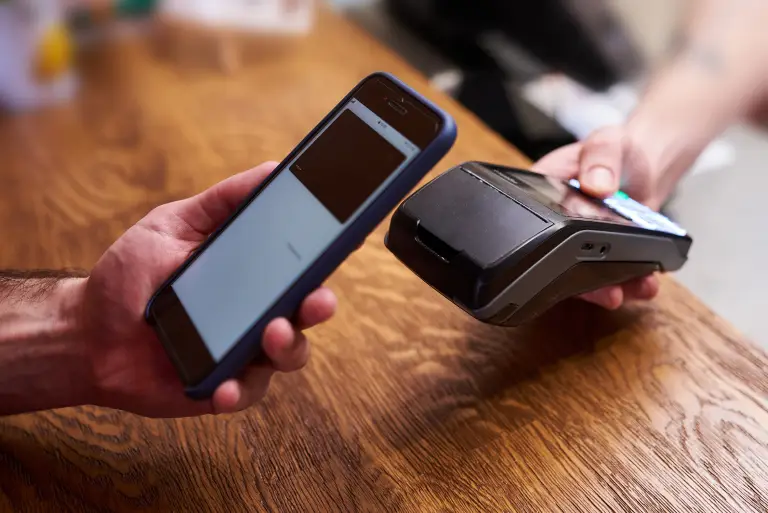
Making a payment on our website is quick and secure. Start by logging in or creating an account. Select your preferred payment method, input the required details, and review the information. Once you confirm everything is correct, click on the "Submit Payment" button. You’ll receive instant confirmation and can track your payment status through your account dashboard. It’s an easy and secure process.

  • Go to the Payment Section: Access the payment area on our website or app.
  • Choose Your Payment Method: Select your preferred payment option.
  • Enter Payment Details: Provide the necessary payment information.
  • Verify Your Information: Check that all details are correct.
  • Confirm Your Payment: Click "Submit Payment" to complete the transaction.
img