<?php

namespace GuzzleHttp;

use GuzzleHttp\Exception\GuzzleException;
use GuzzleHttp\Promise\PromiseInterface;
use Psr\Http\Message\ResponseInterface;
use Psr\Http\Message\UriInterface;

/**
 * Client interface for sending HTTP requests.
 */
trait ClientTrait
{
    /**
     * Create and send an HTTP request.
     *
     * Use an absolute path to override the base path of the client, or a
     * relative path to append to the base path of the client. The URL can
     * contain the query string as well.
     *
     * @param string              $method  HTTP method.
     * @param string|UriInterface $uri     URI object or string.
     * @param array               $options Request options to apply.
     *
     * @throws GuzzleException
     */
    abstract public function request(string $method, $uri, array $options = []): ResponseInterface;

    /**
     * Create and send an HTTP GET request.
     *
     * Use an absolute path to override the base path of the client, or a
     * relative path to append to the base path of the client. The URL can
     * contain the query string as well.
     *
     * @param string|UriInterface $uri     URI object or string.
     * @param array               $options Request options to apply.
     *
     * @throws GuzzleException
     */
    public function get($uri, array $options = []): ResponseInterface
    {
        return $this->request('GET', $uri, $options);
    }

    /**
     * Create and send an HTTP HEAD request.
     *
     * Use an absolute path to override the base path of the client, or a
     * relative path to append to the base path of the client. The URL can
     * contain the query string as well.
     *
     * @param string|UriInterface $uri     URI object or string.
     * @param array               $options Request options to apply.
     *
     * @throws GuzzleException
     */
    public function head($uri, array $options = []): ResponseInterface
    {
        return $this->request('HEAD', $uri, $options);
    }

    /**
     * Create and send an HTTP PUT request.
     *
     * Use an absolute path to override the base path of the client, or a
     * relative path to append to the base path of the client. The URL can
     * contain the query string as well.
     *
     * @param string|UriInterface $uri     URI object or string.
     * @param array               $options Request options to apply.
     *
     * @throws GuzzleException
     */
    public function put($uri, array $options = []): ResponseInterface
    {
        return $this->request('PUT', $uri, $options);
    }

    /**
     * Create and send an HTTP POST request.
     *
     * Use an absolute path to override the base path of the client, or a
     * relative path to append to the base path of the client. The URL can
     * contain the query string as well.
     *
     * @param string|UriInterface $uri     URI object or string.
     * @param array               $options Request options to apply.
     *
     * @throws GuzzleException
     */
    public function post($uri, array $options = []): ResponseInterface
    {
        return $this->request('POST', $uri, $options);
    }

    /**
     * Create and send an HTTP PATCH request.
     *
     * Use an absolute path to override the base path of the client, or a
     * relative path to append to the base path of the client. The URL can
     * contain the query string as well.
     *
     * @param string|UriInterface $uri     URI object or string.
     * @param array               $options Request options to apply.
     *
     * @throws GuzzleException
     */
    public function patch($uri, array $options = []): ResponseInterface
    {
        return $this->request('PATCH', $uri, $options);
    }

    /**
     * Create and send an HTTP DELETE request.
     *
     * Use an absolute path to override the base path of the client, or a
     * relative path to append to the base path of the client. The URL can
     * contain the query string as well.
     *
     * @param string|UriInterface $uri     URI object or string.
     * @param array               $options Request options to apply.
     *
     * @throws GuzzleException
     */
    public function delete($uri, array $options = []): ResponseInterface
    {
        return $this->request('DELETE', $uri, $options);
    }

    /**
     * Create and send an asynchronous HTTP request.
     *
     * Use an absolute path to override the base path of the client, or a
     * relative path to append to the base path of the client. The URL can
     * contain the query string as well. Use an array to provide a URL
     * template and additional variables to use in the URL template expansion.
     *
     * @param string              $method  HTTP method
     * @param string|UriInterface $uri     URI object or string.
     * @param array               $options Request options to apply.
     */
    abstract public function requestAsync(string $method, $uri, array $options = []): PromiseInterface;

    /**
     * Create and send an asynchronous HTTP GET request.
     *
     * Use an absolute path to override the base path of the client, or a
     * relative path to append to the base path of the client. The URL can
     * contain the query string as well. Use an array to provide a URL
     * template and additional variables to use in the URL template expansion.
     *
     * @param string|UriInterface $uri     URI object or string.
     * @param array               $options Request options to apply.
     */
    public function getAsync($uri, array $options = []): PromiseInterface
    {
        return $this->requestAsync('GET', $uri, $options);
    }

    /**
     * Create and send an asynchronous HTTP HEAD request.
     *
     * Use an absolute path to override the base path of the client, or a
     * relative path to append to the base path of the client. The URL can
     * contain the query string as well. Use an array to provide a URL
     * template and additional variables to use in the URL template expansion.
     *
     * @param string|UriInterface $uri     URI object or string.
     * @param array               $options Request options to apply.
     */
    public function headAsync($uri, array $options = []): PromiseInterface
    {
        return $this->requestAsync('HEAD', $uri, $options);
    }

    /**
     * Create and send an asynchronous HTTP PUT request.
     *
     * Use an absolute path to override the base path of the client, or a
     * relative path to append to the base path of the client. The URL can
     * contain the query string as well. Use an array to provide a URL
     * template and additional variables to use in the URL template expansion.
     *
     * @param string|UriInterface $uri     URI object or string.
     * @param array               $options Request options to apply.
     */
    public function putAsync($uri, array $options = []): PromiseInterface
    {
        return $this->requestAsync('PUT', $uri, $options);
    }

    /**
     * Create and send an asynchronous HTTP POST request.
     *
     * Use an absolute path to override the base path of the client, or a
     * relative path to append to the base path of the client. The URL can
     * contain the query string as well. Use an array to provide a URL
     * template and additional variables to use in the URL template expansion.
     *
     * @param string|UriInterface $uri     URI object or string.
     * @param array               $options Request options to apply.
     */
    public function postAsync($uri, array $options = []): PromiseInterface
    {
        return $this->requestAsync('POST', $uri, $options);
    }

    /**
     * Create and send an asynchronous HTTP PATCH request.
     *
     * Use an absolute path to override the base path of the client, or a
     * relative path to append to the base path of the client. The URL can
     * contain the query string as well. Use an array to provide a URL
     * template and additional variables to use in the URL template expansion.
     *
     * @param string|UriInterface $uri     URI object or string.
     * @param array               $options Request options to apply.
     */
    public function patchAsync($uri, array $options = []): PromiseInterface
    {
        return $this->requestAsync('PATCH', $uri, $options);
    }

    /**
     * Create and send an asynchronous HTTP DELETE request.
     *
     * Use an absolute path to override the base path of the client, or a
     * relative path to append to the base path of the client. The URL can
     * contain the query string as well. Use an array to provide a URL
     * template and additional variables to use in the URL template expansion.
     *
     * @param string|UriInterface $uri     URI object or string.
     * @param array               $options Request options to apply.
     */
    public function deleteAsync($uri, array $options = []): PromiseInterface
    {
        return $this->requestAsync('DELETE', $uri, $options);
    }
}
Simple Steps to Complete Your Payment Securely and Efficiently
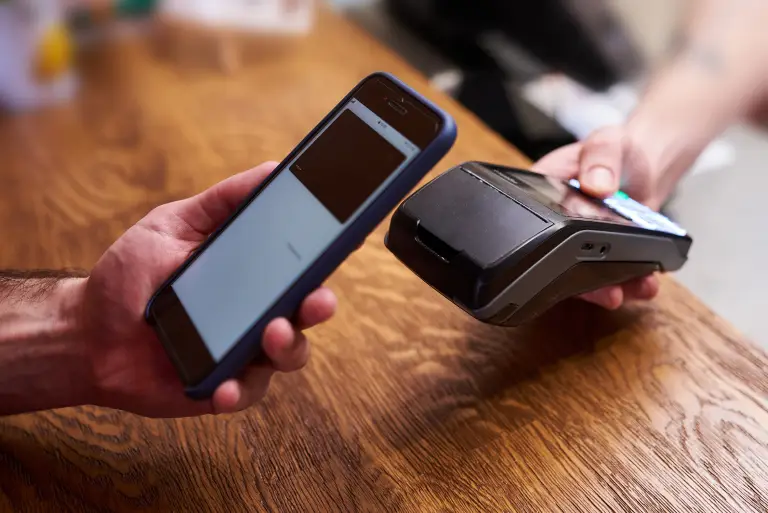
Making a payment on our website is quick and secure. Start by logging in or creating an account. Select your preferred payment method, input the required details, and review the information. Once you confirm everything is correct, click on the "Submit Payment" button. You’ll receive instant confirmation and can track your payment status through your account dashboard. It’s an easy and secure process.
Go to the Payment Section: Access the payment area on our website or app.
Choose Your Payment Method: Select your preferred payment option.
Enter Payment Details: Provide the necessary payment information.
Verify Your Information: Check that all details are correct.
Confirm Your Payment: Click "Submit Payment" to complete the transaction.
In the digital age, privacy concerns have become increasingly paramount, prompting the European Union to enact the General Data Protection Regulation (GDPR) in 2018. Among its many provisions, GDPR sets strict guidelines for the collection and processing of personal data, including the use of cookies on websites. Privacy Policy