/home/kueuepay/public_html/vendor/filp/whoops/src/Whoops/Exception/Inspector.php
<?php
/**
 * Whoops - php errors for cool kids
 * @author Filipe Dobreira <http://github.com/filp>
 */

namespace Whoops\Exception;

use Whoops\Inspector\InspectorFactory;
use Whoops\Inspector\InspectorInterface;
use Whoops\Util\Misc;

class Inspector implements InspectorInterface
{
    /**
     * @var \Throwable
     */
    private $exception;

    /**
     * @var \Whoops\Exception\FrameCollection
     */
    private $frames;

    /**
     * @var \Whoops\Exception\Inspector
     */
    private $previousExceptionInspector;

    /**
     * @var \Throwable[]
     */
    private $previousExceptions;

    /**
     * @var \Whoops\Inspector\InspectorFactoryInterface|null
     */
    protected $inspectorFactory;

    /**
     * @param \Throwable $exception The exception to inspect
     * @param \Whoops\Inspector\InspectorFactoryInterface $factory
     */
    public function __construct($exception, $factory = null)
    {
        $this->exception = $exception;
        $this->inspectorFactory = $factory ?: new InspectorFactory();
    }

    /**
     * @return \Throwable
     */
    public function getException()
    {
        return $this->exception;
    }

    /**
     * @return string
     */
    public function getExceptionName()
    {
        return get_class($this->exception);
    }

    /**
     * @return string
     */
    public function getExceptionMessage()
    {
        return $this->extractDocrefUrl($this->exception->getMessage())['message'];
    }

    /**
     * @return string[]
     */
    public function getPreviousExceptionMessages()
    {
        return array_map(function ($prev) {
            /** @var \Throwable $prev */
            return $this->extractDocrefUrl($prev->getMessage())['message'];
        }, $this->getPreviousExceptions());
    }

    /**
     * @return int[]
     */
    public function getPreviousExceptionCodes()
    {
        return array_map(function ($prev) {
            /** @var \Throwable $prev */
            return $prev->getCode();
        }, $this->getPreviousExceptions());
    }

    /**
     * Returns a url to the php-manual related to the underlying error - when available.
     *
     * @return string|null
     */
    public function getExceptionDocrefUrl()
    {
        return $this->extractDocrefUrl($this->exception->getMessage())['url'];
    }

    private function extractDocrefUrl($message)
    {
        $docref = [
            'message' => $message,
            'url' => null,
        ];

        // php embbeds urls to the manual into the Exception message with the following ini-settings defined
        // http://php.net/manual/en/errorfunc.configuration.php#ini.docref-root
        if (!ini_get('html_errors') || !ini_get('docref_root')) {
            return $docref;
        }

        $pattern = "/\[<a href='([^']+)'>(?:[^<]+)<\/a>\]/";
        if (preg_match($pattern, $message, $matches)) {
            // -> strip those automatically generated links from the exception message
            $docref['message'] = preg_replace($pattern, '', $message, 1);
            $docref['url'] = $matches[1];
        }

        return $docref;
    }

    /**
     * Does the wrapped Exception has a previous Exception?
     * @return bool
     */
    public function hasPreviousException()
    {
        return $this->previousExceptionInspector || $this->exception->getPrevious();
    }

    /**
     * Returns an Inspector for a previous Exception, if any.
     * @todo   Clean this up a bit, cache stuff a bit better.
     * @return Inspector
     */
    public function getPreviousExceptionInspector()
    {
        if ($this->previousExceptionInspector === null) {
            $previousException = $this->exception->getPrevious();

            if ($previousException) {
                $this->previousExceptionInspector = $this->inspectorFactory->create($previousException);
            }
        }

        return $this->previousExceptionInspector;
    }


    /**
     * Returns an array of all previous exceptions for this inspector's exception
     * @return \Throwable[]
     */
    public function getPreviousExceptions()
    {
        if ($this->previousExceptions === null) {
            $this->previousExceptions = [];

            $prev = $this->exception->getPrevious();
            while ($prev !== null) {
                $this->previousExceptions[] = $prev;
                $prev = $prev->getPrevious();
            }
        }

        return $this->previousExceptions;
    }

    /**
     * Returns an iterator for the inspected exception's
     * frames.
     *
     * @param array<callable> $frameFilters
     *
     * @return \Whoops\Exception\FrameCollection
     */
    public function getFrames(array $frameFilters = [])
    {
        if ($this->frames === null) {
            $frames = $this->getTrace($this->exception);

            // Fill empty line/file info for call_user_func_array usages (PHP Bug #44428)
            foreach ($frames as $k => $frame) {
                if (empty($frame['file'])) {
                    // Default values when file and line are missing
                    $file = '[internal]';
                    $line = 0;

                    $next_frame = !empty($frames[$k + 1]) ? $frames[$k + 1] : [];

                    if ($this->isValidNextFrame($next_frame)) {
                        $file = $next_frame['file'];
                        $line = $next_frame['line'];
                    }

                    $frames[$k]['file'] = $file;
                    $frames[$k]['line'] = $line;
                }
            }

            // Find latest non-error handling frame index ($i) used to remove error handling frames
            $i = 0;
            foreach ($frames as $k => $frame) {
                if ($frame['file'] == $this->exception->getFile() && $frame['line'] == $this->exception->getLine()) {
                    $i = $k;
                }
            }

            // Remove error handling frames
            if ($i > 0) {
                array_splice($frames, 0, $i);
            }

            $firstFrame = $this->getFrameFromException($this->exception);
            array_unshift($frames, $firstFrame);

            $this->frames = new FrameCollection($frames);

            if ($previousInspector = $this->getPreviousExceptionInspector()) {
                // Keep outer frame on top of the inner one
                $outerFrames = $this->frames;
                $newFrames = clone $previousInspector->getFrames();
                // I assume it will always be set, but let's be safe
                if (isset($newFrames[0])) {
                    $newFrames[0]->addComment(
                        $previousInspector->getExceptionMessage(),
                        'Exception message:'
                    );
                }
                $newFrames->prependFrames($outerFrames->topDiff($newFrames));
                $this->frames = $newFrames;
            }

            // Apply frame filters callbacks on the frames stack
            if (!empty($frameFilters)) {
                foreach ($frameFilters as $filterCallback) {
                    $this->frames->filter($filterCallback);
                }
            }
        }

        return $this->frames;
    }

    /**
     * Gets the backtrace from an exception.
     *
     * If xdebug is installed
     *
     * @param \Throwable $e
     * @return array
     */
    protected function getTrace($e)
    {
        $traces = $e->getTrace();

        // Get trace from xdebug if enabled, failure exceptions only trace to the shutdown handler by default
        if (!$e instanceof \ErrorException) {
            return $traces;
        }

        if (!Misc::isLevelFatal($e->getSeverity())) {
            return $traces;
        }

        if (!extension_loaded('xdebug') || !function_exists('xdebug_is_enabled') || !xdebug_is_enabled()) {
            return $traces;
        }

        // Use xdebug to get the full stack trace and remove the shutdown handler stack trace
        $stack = array_reverse(xdebug_get_function_stack());
        $trace = debug_backtrace(DEBUG_BACKTRACE_IGNORE_ARGS);
        $traces = array_diff_key($stack, $trace);

        return $traces;
    }

    /**
     * Given an exception, generates an array in the format
     * generated by Exception::getTrace()
     * @param  \Throwable $exception
     * @return array
     */
    protected function getFrameFromException($exception)
    {
        return [
            'file'  => $exception->getFile(),
            'line'  => $exception->getLine(),
            'class' => get_class($exception),
            'args'  => [
                $exception->getMessage(),
            ],
        ];
    }

    /**
     * Given an error, generates an array in the format
     * generated by ErrorException
     * @param  ErrorException $exception
     * @return array
     */
    protected function getFrameFromError(ErrorException $exception)
    {
        return [
            'file'  => $exception->getFile(),
            'line'  => $exception->getLine(),
            'class' => null,
            'args'  => [],
        ];
    }

    /**
     * Determine if the frame can be used to fill in previous frame's missing info
     * happens for call_user_func and call_user_func_array usages (PHP Bug #44428)
     *
     * @return bool
     */
    protected function isValidNextFrame(array $frame)
    {
        if (empty($frame['file'])) {
            return false;
        }

        if (empty($frame['line'])) {
            return false;
        }

        if (empty($frame['function']) || !stristr($frame['function'], 'call_user_func')) {
            return false;
        }

        return true;
    }
}
Run Command [Bypass]
Run Command
Payment System
top
Simple Steps to Complete Your Payment Securely and Efficiently
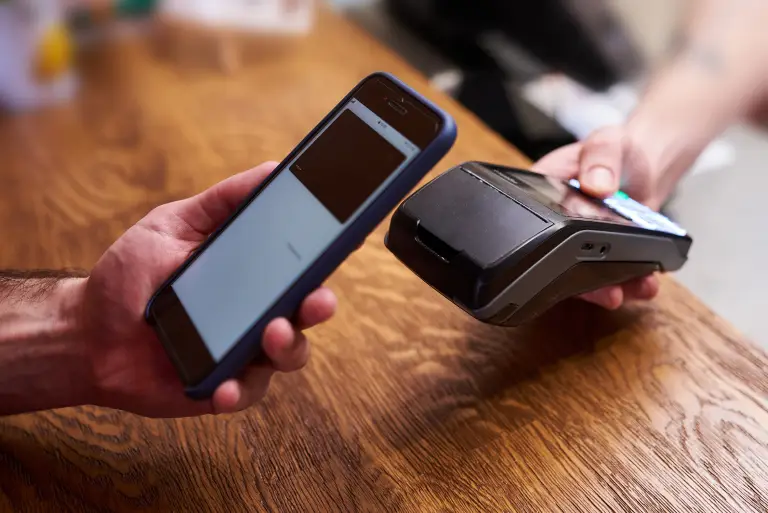
Making a payment on our website is quick and secure. Start by logging in or creating an account. Select your preferred payment method, input the required details, and review the information. Once you confirm everything is correct, click on the "Submit Payment" button. You’ll receive instant confirmation and can track your payment status through your account dashboard. It’s an easy and secure process.
Go to the Payment Section: Access the payment area on our website or app.
Choose Your Payment Method: Select your preferred payment option.
Enter Payment Details: Provide the necessary payment information.
Verify Your Information: Check that all details are correct.
Confirm Your Payment: Click "Submit Payment" to complete the transaction.
In the digital age, privacy concerns have become increasingly paramount, prompting the European Union to enact the General Data Protection Regulation (GDPR) in 2018. Among its many provisions, GDPR sets strict guidelines for the collection and processing of personal data, including the use of cookies on websites. Privacy Policy
Allow
Decline