Proven Expertise
Our team brings years of experience in the digital payments industry to provide reliable services.
<?php
namespace PhpOffice\PhpSpreadsheet\Shared;
class StringHelper
{
/**
* Control characters array.
*
* @var string[]
*/
private static $controlCharacters = [];
/**
* SYLK Characters array.
*
* @var array
*/
private static $SYLKCharacters = [];
/**
* Decimal separator.
*
* @var ?string
*/
private static $decimalSeparator;
/**
* Thousands separator.
*
* @var ?string
*/
private static $thousandsSeparator;
/**
* Currency code.
*
* @var string
*/
private static $currencyCode;
/**
* Is iconv extension avalable?
*
* @var ?bool
*/
private static $isIconvEnabled;
/**
* iconv options.
*
* @var string
*/
private static $iconvOptions = '//IGNORE//TRANSLIT';
/**
* Build control characters array.
*/
private static function buildControlCharacters(): void
{
for ($i = 0; $i <= 31; ++$i) {
if ($i != 9 && $i != 10 && $i != 13) {
$find = '_x' . sprintf('%04s', strtoupper(dechex($i))) . '_';
$replace = chr($i);
self::$controlCharacters[$find] = $replace;
}
}
}
/**
* Build SYLK characters array.
*/
private static function buildSYLKCharacters(): void
{
self::$SYLKCharacters = [
"\x1B 0" => chr(0),
"\x1B 1" => chr(1),
"\x1B 2" => chr(2),
"\x1B 3" => chr(3),
"\x1B 4" => chr(4),
"\x1B 5" => chr(5),
"\x1B 6" => chr(6),
"\x1B 7" => chr(7),
"\x1B 8" => chr(8),
"\x1B 9" => chr(9),
"\x1B :" => chr(10),
"\x1B ;" => chr(11),
"\x1B <" => chr(12),
"\x1B =" => chr(13),
"\x1B >" => chr(14),
"\x1B ?" => chr(15),
"\x1B!0" => chr(16),
"\x1B!1" => chr(17),
"\x1B!2" => chr(18),
"\x1B!3" => chr(19),
"\x1B!4" => chr(20),
"\x1B!5" => chr(21),
"\x1B!6" => chr(22),
"\x1B!7" => chr(23),
"\x1B!8" => chr(24),
"\x1B!9" => chr(25),
"\x1B!:" => chr(26),
"\x1B!;" => chr(27),
"\x1B!<" => chr(28),
"\x1B!=" => chr(29),
"\x1B!>" => chr(30),
"\x1B!?" => chr(31),
"\x1B'?" => chr(127),
"\x1B(0" => '€', // 128 in CP1252
"\x1B(2" => '‚', // 130 in CP1252
"\x1B(3" => 'ƒ', // 131 in CP1252
"\x1B(4" => '„', // 132 in CP1252
"\x1B(5" => '…', // 133 in CP1252
"\x1B(6" => '†', // 134 in CP1252
"\x1B(7" => '‡', // 135 in CP1252
"\x1B(8" => 'ˆ', // 136 in CP1252
"\x1B(9" => '‰', // 137 in CP1252
"\x1B(:" => 'Š', // 138 in CP1252
"\x1B(;" => '‹', // 139 in CP1252
"\x1BNj" => 'Œ', // 140 in CP1252
"\x1B(>" => 'Ž', // 142 in CP1252
"\x1B)1" => '‘', // 145 in CP1252
"\x1B)2" => '’', // 146 in CP1252
"\x1B)3" => '“', // 147 in CP1252
"\x1B)4" => '”', // 148 in CP1252
"\x1B)5" => '•', // 149 in CP1252
"\x1B)6" => '–', // 150 in CP1252
"\x1B)7" => '—', // 151 in CP1252
"\x1B)8" => '˜', // 152 in CP1252
"\x1B)9" => '™', // 153 in CP1252
"\x1B):" => 'š', // 154 in CP1252
"\x1B);" => '›', // 155 in CP1252
"\x1BNz" => 'œ', // 156 in CP1252
"\x1B)>" => 'ž', // 158 in CP1252
"\x1B)?" => 'Ÿ', // 159 in CP1252
"\x1B*0" => ' ', // 160 in CP1252
"\x1BN!" => '¡', // 161 in CP1252
"\x1BN\"" => '¢', // 162 in CP1252
"\x1BN#" => '£', // 163 in CP1252
"\x1BN(" => '¤', // 164 in CP1252
"\x1BN%" => '¥', // 165 in CP1252
"\x1B*6" => '¦', // 166 in CP1252
"\x1BN'" => '§', // 167 in CP1252
"\x1BNH " => '¨', // 168 in CP1252
"\x1BNS" => '©', // 169 in CP1252
"\x1BNc" => 'ª', // 170 in CP1252
"\x1BN+" => '«', // 171 in CP1252
"\x1B*<" => '¬', // 172 in CP1252
"\x1B*=" => '', // 173 in CP1252
"\x1BNR" => '®', // 174 in CP1252
"\x1B*?" => '¯', // 175 in CP1252
"\x1BN0" => '°', // 176 in CP1252
"\x1BN1" => '±', // 177 in CP1252
"\x1BN2" => '²', // 178 in CP1252
"\x1BN3" => '³', // 179 in CP1252
"\x1BNB " => '´', // 180 in CP1252
"\x1BN5" => 'µ', // 181 in CP1252
"\x1BN6" => '¶', // 182 in CP1252
"\x1BN7" => '·', // 183 in CP1252
"\x1B+8" => '¸', // 184 in CP1252
"\x1BNQ" => '¹', // 185 in CP1252
"\x1BNk" => 'º', // 186 in CP1252
"\x1BN;" => '»', // 187 in CP1252
"\x1BN<" => '¼', // 188 in CP1252
"\x1BN=" => '½', // 189 in CP1252
"\x1BN>" => '¾', // 190 in CP1252
"\x1BN?" => '¿', // 191 in CP1252
"\x1BNAA" => 'À', // 192 in CP1252
"\x1BNBA" => 'Á', // 193 in CP1252
"\x1BNCA" => 'Â', // 194 in CP1252
"\x1BNDA" => 'Ã', // 195 in CP1252
"\x1BNHA" => 'Ä', // 196 in CP1252
"\x1BNJA" => 'Å', // 197 in CP1252
"\x1BNa" => 'Æ', // 198 in CP1252
"\x1BNKC" => 'Ç', // 199 in CP1252
"\x1BNAE" => 'È', // 200 in CP1252
"\x1BNBE" => 'É', // 201 in CP1252
"\x1BNCE" => 'Ê', // 202 in CP1252
"\x1BNHE" => 'Ë', // 203 in CP1252
"\x1BNAI" => 'Ì', // 204 in CP1252
"\x1BNBI" => 'Í', // 205 in CP1252
"\x1BNCI" => 'Î', // 206 in CP1252
"\x1BNHI" => 'Ï', // 207 in CP1252
"\x1BNb" => 'Ð', // 208 in CP1252
"\x1BNDN" => 'Ñ', // 209 in CP1252
"\x1BNAO" => 'Ò', // 210 in CP1252
"\x1BNBO" => 'Ó', // 211 in CP1252
"\x1BNCO" => 'Ô', // 212 in CP1252
"\x1BNDO" => 'Õ', // 213 in CP1252
"\x1BNHO" => 'Ö', // 214 in CP1252
"\x1B-7" => '×', // 215 in CP1252
"\x1BNi" => 'Ø', // 216 in CP1252
"\x1BNAU" => 'Ù', // 217 in CP1252
"\x1BNBU" => 'Ú', // 218 in CP1252
"\x1BNCU" => 'Û', // 219 in CP1252
"\x1BNHU" => 'Ü', // 220 in CP1252
"\x1B-=" => 'Ý', // 221 in CP1252
"\x1BNl" => 'Þ', // 222 in CP1252
"\x1BN{" => 'ß', // 223 in CP1252
"\x1BNAa" => 'à', // 224 in CP1252
"\x1BNBa" => 'á', // 225 in CP1252
"\x1BNCa" => 'â', // 226 in CP1252
"\x1BNDa" => 'ã', // 227 in CP1252
"\x1BNHa" => 'ä', // 228 in CP1252
"\x1BNJa" => 'å', // 229 in CP1252
"\x1BNq" => 'æ', // 230 in CP1252
"\x1BNKc" => 'ç', // 231 in CP1252
"\x1BNAe" => 'è', // 232 in CP1252
"\x1BNBe" => 'é', // 233 in CP1252
"\x1BNCe" => 'ê', // 234 in CP1252
"\x1BNHe" => 'ë', // 235 in CP1252
"\x1BNAi" => 'ì', // 236 in CP1252
"\x1BNBi" => 'í', // 237 in CP1252
"\x1BNCi" => 'î', // 238 in CP1252
"\x1BNHi" => 'ï', // 239 in CP1252
"\x1BNs" => 'ð', // 240 in CP1252
"\x1BNDn" => 'ñ', // 241 in CP1252
"\x1BNAo" => 'ò', // 242 in CP1252
"\x1BNBo" => 'ó', // 243 in CP1252
"\x1BNCo" => 'ô', // 244 in CP1252
"\x1BNDo" => 'õ', // 245 in CP1252
"\x1BNHo" => 'ö', // 246 in CP1252
"\x1B/7" => '÷', // 247 in CP1252
"\x1BNy" => 'ø', // 248 in CP1252
"\x1BNAu" => 'ù', // 249 in CP1252
"\x1BNBu" => 'ú', // 250 in CP1252
"\x1BNCu" => 'û', // 251 in CP1252
"\x1BNHu" => 'ü', // 252 in CP1252
"\x1B/=" => 'ý', // 253 in CP1252
"\x1BN|" => 'þ', // 254 in CP1252
"\x1BNHy" => 'ÿ', // 255 in CP1252
];
}
/**
* Get whether iconv extension is available.
*
* @return bool
*/
public static function getIsIconvEnabled()
{
if (isset(self::$isIconvEnabled)) {
return self::$isIconvEnabled;
}
// Assume no problems with iconv
self::$isIconvEnabled = true;
// Fail if iconv doesn't exist
if (!function_exists('iconv')) {
self::$isIconvEnabled = false;
} elseif (!@iconv('UTF-8', 'UTF-16LE', 'x')) {
// Sometimes iconv is not working, and e.g. iconv('UTF-8', 'UTF-16LE', 'x') just returns false,
self::$isIconvEnabled = false;
} elseif (defined('PHP_OS') && @stristr(PHP_OS, 'AIX') && defined('ICONV_IMPL') && (@strcasecmp(ICONV_IMPL, 'unknown') == 0) && defined('ICONV_VERSION') && (@strcasecmp(ICONV_VERSION, 'unknown') == 0)) {
// CUSTOM: IBM AIX iconv() does not work
self::$isIconvEnabled = false;
}
// Deactivate iconv default options if they fail (as seen on IMB i)
if (self::$isIconvEnabled && !@iconv('UTF-8', 'UTF-16LE' . self::$iconvOptions, 'x')) {
self::$iconvOptions = '';
}
return self::$isIconvEnabled;
}
private static function buildCharacterSets(): void
{
if (empty(self::$controlCharacters)) {
self::buildControlCharacters();
}
if (empty(self::$SYLKCharacters)) {
self::buildSYLKCharacters();
}
}
/**
* Convert from OpenXML escaped control character to PHP control character.
*
* Excel 2007 team:
* ----------------
* That's correct, control characters are stored directly in the shared-strings table.
* We do encode characters that cannot be represented in XML using the following escape sequence:
* _xHHHH_ where H represents a hexadecimal character in the character's value...
* So you could end up with something like _x0008_ in a string (either in a cell value (<v>)
* element or in the shared string <t> element.
*
* @param string $textValue Value to unescape
*
* @return string
*/
public static function controlCharacterOOXML2PHP($textValue)
{
self::buildCharacterSets();
return str_replace(array_keys(self::$controlCharacters), array_values(self::$controlCharacters), $textValue);
}
/**
* Convert from PHP control character to OpenXML escaped control character.
*
* Excel 2007 team:
* ----------------
* That's correct, control characters are stored directly in the shared-strings table.
* We do encode characters that cannot be represented in XML using the following escape sequence:
* _xHHHH_ where H represents a hexadecimal character in the character's value...
* So you could end up with something like _x0008_ in a string (either in a cell value (<v>)
* element or in the shared string <t> element.
*
* @param string $textValue Value to escape
*
* @return string
*/
public static function controlCharacterPHP2OOXML($textValue)
{
self::buildCharacterSets();
return str_replace(array_values(self::$controlCharacters), array_keys(self::$controlCharacters), $textValue);
}
/**
* Try to sanitize UTF8, replacing invalid sequences with Unicode substitution characters.
*/
public static function sanitizeUTF8(string $textValue): string
{
$textValue = str_replace(["\xef\xbf\xbe", "\xef\xbf\xbf"], "\xef\xbf\xbd", $textValue);
$subst = mb_substitute_character(); // default is question mark
mb_substitute_character(65533); // Unicode substitution character
// Phpstan does not think this can return false.
$returnValue = mb_convert_encoding($textValue, 'UTF-8', 'UTF-8');
mb_substitute_character(/** @scrutinizer ignore-type */ $subst);
return self::returnString($returnValue);
}
/**
* Strictly to satisfy Scrutinizer.
*
* @param mixed $value
*/
private static function returnString($value): string
{
return is_string($value) ? $value : '';
}
/**
* Check if a string contains UTF8 data.
*/
public static function isUTF8(string $textValue): bool
{
return $textValue === self::sanitizeUTF8($textValue);
}
/**
* Formats a numeric value as a string for output in various output writers forcing
* point as decimal separator in case locale is other than English.
*
* @param float|int|string $numericValue
*/
public static function formatNumber($numericValue): string
{
if (is_float($numericValue)) {
return str_replace(',', '.', (string) $numericValue);
}
return (string) $numericValue;
}
/**
* Converts a UTF-8 string into BIFF8 Unicode string data (8-bit string length)
* Writes the string using uncompressed notation, no rich text, no Asian phonetics
* If mbstring extension is not available, ASCII is assumed, and compressed notation is used
* although this will give wrong results for non-ASCII strings
* see OpenOffice.org's Documentation of the Microsoft Excel File Format, sect. 2.5.3.
*
* @param string $textValue UTF-8 encoded string
* @param mixed[] $arrcRuns Details of rich text runs in $value
*/
public static function UTF8toBIFF8UnicodeShort(string $textValue, array $arrcRuns = []): string
{
// character count
$ln = self::countCharacters($textValue, 'UTF-8');
// option flags
if (empty($arrcRuns)) {
$data = pack('CC', $ln, 0x0001);
// characters
$data .= self::convertEncoding($textValue, 'UTF-16LE', 'UTF-8');
} else {
$data = pack('vC', $ln, 0x09);
$data .= pack('v', count($arrcRuns));
// characters
$data .= self::convertEncoding($textValue, 'UTF-16LE', 'UTF-8');
foreach ($arrcRuns as $cRun) {
$data .= pack('v', $cRun['strlen']);
$data .= pack('v', $cRun['fontidx']);
}
}
return $data;
}
/**
* Converts a UTF-8 string into BIFF8 Unicode string data (16-bit string length)
* Writes the string using uncompressed notation, no rich text, no Asian phonetics
* If mbstring extension is not available, ASCII is assumed, and compressed notation is used
* although this will give wrong results for non-ASCII strings
* see OpenOffice.org's Documentation of the Microsoft Excel File Format, sect. 2.5.3.
*
* @param string $textValue UTF-8 encoded string
*/
public static function UTF8toBIFF8UnicodeLong(string $textValue): string
{
// character count
$ln = self::countCharacters($textValue, 'UTF-8');
// characters
$chars = self::convertEncoding($textValue, 'UTF-16LE', 'UTF-8');
return pack('vC', $ln, 0x0001) . $chars;
}
/**
* Convert string from one encoding to another.
*
* @param string $to Encoding to convert to, e.g. 'UTF-8'
* @param string $from Encoding to convert from, e.g. 'UTF-16LE'
*/
public static function convertEncoding(string $textValue, string $to, string $from): string
{
if (self::getIsIconvEnabled()) {
$result = iconv($from, $to . self::$iconvOptions, $textValue);
if (false !== $result) {
return $result;
}
}
return self::returnString(mb_convert_encoding($textValue, $to, $from));
}
/**
* Get character count.
*
* @param string $encoding Encoding
*
* @return int Character count
*/
public static function countCharacters(string $textValue, string $encoding = 'UTF-8'): int
{
return mb_strlen($textValue, $encoding);
}
/**
* Get character count using mb_strwidth rather than mb_strlen.
*
* @param string $encoding Encoding
*
* @return int Character count
*/
public static function countCharactersDbcs(string $textValue, string $encoding = 'UTF-8'): int
{
return mb_strwidth($textValue, $encoding);
}
/**
* Get a substring of a UTF-8 encoded string.
*
* @param string $textValue UTF-8 encoded string
* @param int $offset Start offset
* @param ?int $length Maximum number of characters in substring
*/
public static function substring(string $textValue, int $offset, ?int $length = 0): string
{
return mb_substr($textValue, $offset, $length, 'UTF-8');
}
/**
* Convert a UTF-8 encoded string to upper case.
*
* @param string $textValue UTF-8 encoded string
*/
public static function strToUpper(string $textValue): string
{
return mb_convert_case($textValue, MB_CASE_UPPER, 'UTF-8');
}
/**
* Convert a UTF-8 encoded string to lower case.
*
* @param string $textValue UTF-8 encoded string
*/
public static function strToLower(string $textValue): string
{
return mb_convert_case($textValue, MB_CASE_LOWER, 'UTF-8');
}
/**
* Convert a UTF-8 encoded string to title/proper case
* (uppercase every first character in each word, lower case all other characters).
*
* @param string $textValue UTF-8 encoded string
*/
public static function strToTitle(string $textValue): string
{
return mb_convert_case($textValue, MB_CASE_TITLE, 'UTF-8');
}
public static function mbIsUpper(string $character): bool
{
return mb_strtolower($character, 'UTF-8') !== $character;
}
/**
* Splits a UTF-8 string into an array of individual characters.
*/
public static function mbStrSplit(string $string): array
{
// Split at all position not after the start: ^
// and not before the end: $
$split = preg_split('/(?<!^)(?!$)/u', $string);
return ($split === false) ? [] : $split;
}
/**
* Reverse the case of a string, so that all uppercase characters become lowercase
* and all lowercase characters become uppercase.
*
* @param string $textValue UTF-8 encoded string
*/
public static function strCaseReverse(string $textValue): string
{
$characters = self::mbStrSplit($textValue);
foreach ($characters as &$character) {
if (self::mbIsUpper($character)) {
$character = mb_strtolower($character, 'UTF-8');
} else {
$character = mb_strtoupper($character, 'UTF-8');
}
}
return implode('', $characters);
}
/**
* Get the decimal separator. If it has not yet been set explicitly, try to obtain number
* formatting information from locale.
*/
public static function getDecimalSeparator(): string
{
if (!isset(self::$decimalSeparator)) {
$localeconv = localeconv();
self::$decimalSeparator = ($localeconv['decimal_point'] != '')
? $localeconv['decimal_point'] : $localeconv['mon_decimal_point'];
if (self::$decimalSeparator == '') {
// Default to .
self::$decimalSeparator = '.';
}
}
return self::$decimalSeparator;
}
/**
* Set the decimal separator. Only used by NumberFormat::toFormattedString()
* to format output by \PhpOffice\PhpSpreadsheet\Writer\Html and \PhpOffice\PhpSpreadsheet\Writer\Pdf.
*
* @param string $separator Character for decimal separator
*/
public static function setDecimalSeparator(string $separator): void
{
self::$decimalSeparator = $separator;
}
/**
* Get the thousands separator. If it has not yet been set explicitly, try to obtain number
* formatting information from locale.
*/
public static function getThousandsSeparator(): string
{
if (!isset(self::$thousandsSeparator)) {
$localeconv = localeconv();
self::$thousandsSeparator = ($localeconv['thousands_sep'] != '')
? $localeconv['thousands_sep'] : $localeconv['mon_thousands_sep'];
if (self::$thousandsSeparator == '') {
// Default to .
self::$thousandsSeparator = ',';
}
}
return self::$thousandsSeparator;
}
/**
* Set the thousands separator. Only used by NumberFormat::toFormattedString()
* to format output by \PhpOffice\PhpSpreadsheet\Writer\Html and \PhpOffice\PhpSpreadsheet\Writer\Pdf.
*
* @param string $separator Character for thousands separator
*/
public static function setThousandsSeparator(string $separator): void
{
self::$thousandsSeparator = $separator;
}
/**
* Get the currency code. If it has not yet been set explicitly, try to obtain the
* symbol information from locale.
*/
public static function getCurrencyCode(): string
{
if (!empty(self::$currencyCode)) {
return self::$currencyCode;
}
self::$currencyCode = '$';
$localeconv = localeconv();
if (!empty($localeconv['currency_symbol'])) {
self::$currencyCode = $localeconv['currency_symbol'];
return self::$currencyCode;
}
if (!empty($localeconv['int_curr_symbol'])) {
self::$currencyCode = $localeconv['int_curr_symbol'];
return self::$currencyCode;
}
return self::$currencyCode;
}
/**
* Set the currency code. Only used by NumberFormat::toFormattedString()
* to format output by \PhpOffice\PhpSpreadsheet\Writer\Html and \PhpOffice\PhpSpreadsheet\Writer\Pdf.
*
* @param string $currencyCode Character for currency code
*/
public static function setCurrencyCode(string $currencyCode): void
{
self::$currencyCode = $currencyCode;
}
/**
* Convert SYLK encoded string to UTF-8.
*
* @param string $textValue SYLK encoded string
*
* @return string UTF-8 encoded string
*/
public static function SYLKtoUTF8(string $textValue): string
{
self::buildCharacterSets();
// If there is no escape character in the string there is nothing to do
if (strpos($textValue, '') === false) {
return $textValue;
}
foreach (self::$SYLKCharacters as $k => $v) {
$textValue = str_replace($k, $v, $textValue);
}
return $textValue;
}
/**
* Retrieve any leading numeric part of a string, or return the full string if no leading numeric
* (handles basic integer or float, but not exponent or non decimal).
*
* @param string $textValue
*
* @return mixed string or only the leading numeric part of the string
*/
public static function testStringAsNumeric($textValue)
{
if (is_numeric($textValue)) {
return $textValue;
}
$v = (float) $textValue;
return (is_numeric(substr($textValue, 0, strlen((string) $v)))) ? $v : $textValue;
}
}

How it Works

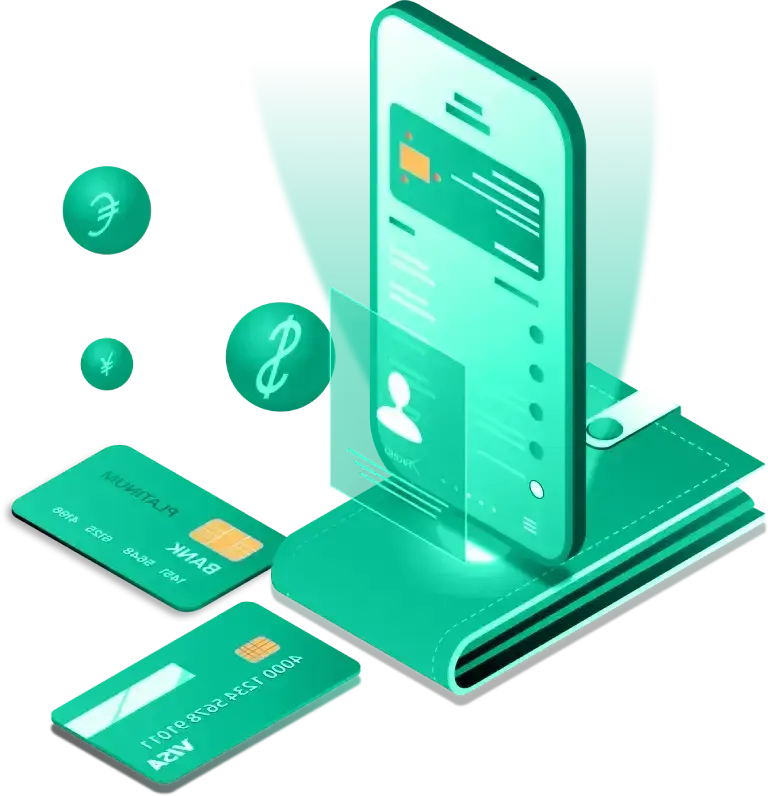
Getting started with NFC Pay is simple and quick. Register your account, add your cards, and you're ready to make payments in no time. Whether you're paying at a store, sending money to a friend, or managing your merchant transactions, NFC Pay makes it easy and secure.
Download the NFC Pay app and sign up with your email or phone number. Complete the registration process by verifying your identity, and set up your secure PIN to protect your account.
Link your debit or credit cards to your NFC Pay wallet. Simply scan your card or enter the details manually, and you’re set to load funds, shop, and pay with ease.
To pay, simply tap your phone or scan the QR code at checkout. You can also transfer money to other users with a few taps. Enjoy fast, contactless payments with top-notch security.

Security System
NFC Pay prioritizes your security with advanced features that safeguard every transaction. From SMS or email verification to end-to-end encryption, we've implemented robust measures to ensure your data is always protected. Our security systems are designed to prevent unauthorized access and provide you with a safe and reliable payment experience.

Receive instant alerts for every transaction to keep track of your account activities.

Verify your identity through our Know Your Customer process to prevent fraud and enhance security.

Dramatically supply transparent backward deliverables before caward comp internal or "organic" sources.

All your data and transactions are encrypted, ensuring that your sensitive information remains private.

Monitor unusual activity patterns to detect and prevent suspicious behavior in real-time.
Why Choice Us
With NFC Pay, you get a trusted platform backed by proven expertise and a commitment to quality. We put our customers first, offering innovative solutions tailored to your needs, ensuring every transaction is secure, swift, and seamless.
Our team brings years of experience in the digital payments industry to provide reliable services.
We prioritize excellence, ensuring that every aspect of our platform meets the highest standards.
Your needs drive our solutions, and we are dedicated to delivering a superior user experience.
We continuously evolve, integrating the latest technologies to enhance your payment experience.
Testimonial Section
Hear from our users who trust NFC Pay for their everyday transactions. Our commitment to security, ease of use, and exceptional service shines through in their experiences. See why our clients choose NFC Pay for their payment needs and how it has transformed the way they manage their finances.
"NFC Pay has made my transactions incredibly simple and secure. The intuitive interface and quick payment options are game-changers for my business"
"I love how NFC Pay prioritizes security without compromising on convenience. The two-factor authentication and instant alerts give me peace of mind every time I use it."
"Setting up my merchant account was a breeze, and now I can accept payments effortlessly. NFC Pay has truly streamlined my operations, saving me time and hassle."
App Section
Unlock the full potential of NFC Pay by downloading our app, designed to bring secure, swift, and smart transactions to your fingertips. Whether you're paying at a store, transferring money to friends, or managing your business payments, the NFC Pay app makes it effortless. Available on both iOS and Android, it's your all-in-one solution for convenient and reliable digital payments. Download now and experience the future of payments!