<?php declare(strict_types=1);
/*
* This file is part of PHPUnit.
*
* (c) Sebastian Bergmann <sebastian@phpunit.de>
*
* For the full copyright and license information, please view the LICENSE
* file that was distributed with this source code.
*/
namespace PHPUnit\Util;
use const DIRECTORY_SEPARATOR;
use function array_diff;
use function array_keys;
use function fopen;
use function get_defined_vars;
use function sprintf;
use function stream_resolve_include_path;
/**
* @internal This class is not covered by the backward compatibility promise for PHPUnit
*/
final class FileLoader
{
/**
* Checks if a PHP sourcecode file is readable. The sourcecode file is loaded through the load() method.
*
* As a fallback, PHP looks in the directory of the file executing the stream_resolve_include_path function.
* We do not want to load the Test.php file here, so skip it if it found that.
* PHP prioritizes the include_path setting, so if the current directory is in there, it will first look in the
* current working directory.
*
* @throws Exception
*/
public static function checkAndLoad(string $filename): string
{
$includePathFilename = stream_resolve_include_path($filename);
$localFile = __DIR__ . DIRECTORY_SEPARATOR . $filename;
if (!$includePathFilename ||
$includePathFilename === $localFile ||
!self::isReadable($includePathFilename)) {
throw new Exception(
sprintf('Cannot open file "%s".' . "\n", $filename),
);
}
self::load($includePathFilename);
return $includePathFilename;
}
/**
* Loads a PHP sourcefile.
*/
public static function load(string $filename): void
{
$oldVariableNames = array_keys(get_defined_vars());
/**
* @noinspection PhpIncludeInspection
*
* @psalm-suppress UnresolvableInclude
*/
include_once $filename;
$newVariables = get_defined_vars();
foreach (array_diff(array_keys($newVariables), $oldVariableNames) as $variableName) {
if ($variableName !== 'oldVariableNames') {
$GLOBALS[$variableName] = $newVariables[$variableName];
}
}
}
/**
* @see https://github.com/sebastianbergmann/phpunit/pull/2751
*/
private static function isReadable(string $filename): bool
{
return @fopen($filename, 'r') !== false;
}
}
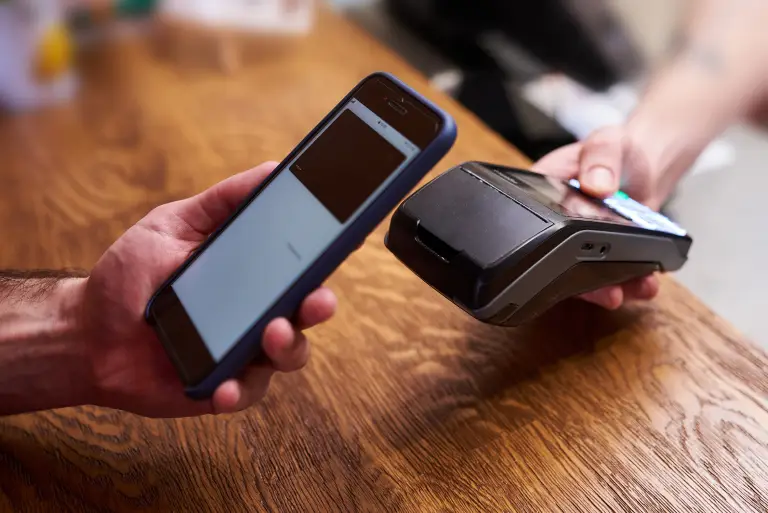
How To Payment
Making a payment on our website is quick and secure. Start by logging in or creating an account. Select your preferred payment method, input the required details, and review the information. Once you confirm everything is correct, click on the "Submit Payment" button. You’ll receive instant confirmation and can track your payment status through your account dashboard. It’s an easy and secure process.