
/home/kueuepay/www/vendor/phpunit/phpunit/src/Framework/Exception/Exception.php
<?php declare(strict_types=1);
/*
 * This file is part of PHPUnit.
 *
 * (c) Sebastian Bergmann <sebastian@phpunit.de>
 *
 * For the full copyright and license information, please view the LICENSE
 * file that was distributed with this source code.
 */
namespace PHPUnit\Framework;

use function array_keys;
use function get_object_vars;
use PHPUnit\Util\Filter;
use RuntimeException;
use Throwable;

/**
 * Base class for all PHPUnit Framework exceptions.
 *
 * Ensures that exceptions thrown during a test run do not leave stray
 * references behind.
 *
 * Every Exception contains a stack trace. Each stack frame contains the 'args'
 * of the called function. The function arguments can contain references to
 * instantiated objects. The references prevent the objects from being
 * destructed (until test results are eventually printed), so memory cannot be
 * freed up.
 *
 * With enabled process isolation, test results are serialized in the child
 * process and unserialized in the parent process. The stack trace of Exceptions
 * may contain objects that cannot be serialized or unserialized (e.g., PDO
 * connections). Unserializing user-space objects from the child process into
 * the parent would break the intended encapsulation of process isolation.
 *
 * @see http://fabien.potencier.org/article/9/php-serialization-stack-traces-and-exceptions
 *
 * @internal This class is not covered by the backward compatibility promise for PHPUnit
 */
class Exception extends RuntimeException implements \PHPUnit\Exception
{
    /**
     * @var array
     */
    protected $serializableTrace;

    public function __construct($message = '', $code = 0, ?Throwable $previous = null)
    {
        parent::__construct($message, $code, $previous);

        $this->serializableTrace = $this->getTrace();

        foreach (array_keys($this->serializableTrace) as $key) {
            unset($this->serializableTrace[$key]['args']);
        }
    }

    public function __toString(): string
    {
        $string = TestFailure::exceptionToString($this);

        if ($trace = Filter::getFilteredStacktrace($this)) {
            $string .= "\n" . $trace;
        }

        return $string;
    }

    public function __sleep(): array
    {
        return array_keys(get_object_vars($this));
    }

    /**
     * Returns the serializable trace (without 'args').
     */
    public function getSerializableTrace(): array
    {
        return $this->serializableTrace;
    }
}
Payment System
top

Simple Steps to Complete Your Payment Securely and Efficiently

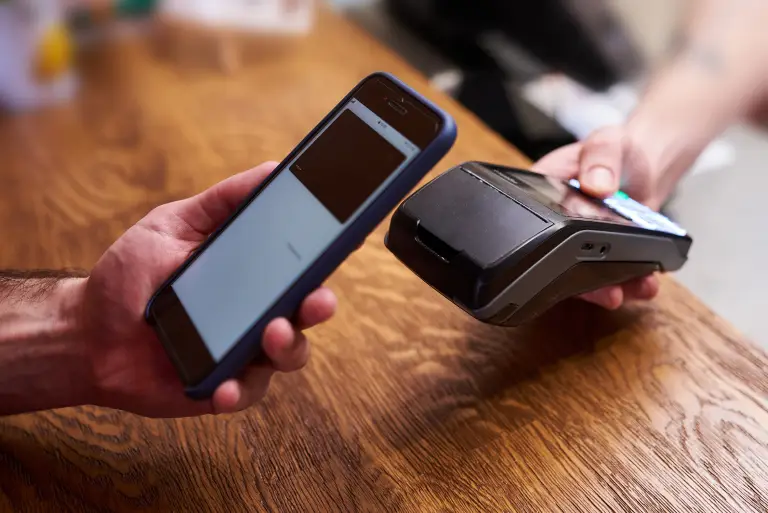
Making a payment on our website is quick and secure. Start by logging in or creating an account. Select your preferred payment method, input the required details, and review the information. Once you confirm everything is correct, click on the "Submit Payment" button. You’ll receive instant confirmation and can track your payment status through your account dashboard. It’s an easy and secure process.

  • Go to the Payment Section: Access the payment area on our website or app.
  • Choose Your Payment Method: Select your preferred payment option.
  • Enter Payment Details: Provide the necessary payment information.
  • Verify Your Information: Check that all details are correct.
  • Confirm Your Payment: Click "Submit Payment" to complete the transaction.
img