/home/kueuepay/www/vendor/phpseclib/phpseclib/phpseclib/Crypt/DSA/Formats/Keys/PKCS8.php
<?php

/**
 * PKCS#8 Formatted DSA Key Handler
 *
 * PHP version 5
 *
 * Processes keys with the following headers:
 *
 * -----BEGIN ENCRYPTED PRIVATE KEY-----
 * -----BEGIN PRIVATE KEY-----
 * -----BEGIN PUBLIC KEY-----
 *
 * Analogous to ssh-keygen's pkcs8 format (as specified by -m). Although PKCS8
 * is specific to private keys it's basically creating a DER-encoded wrapper
 * for keys. This just extends that same concept to public keys (much like ssh-keygen)
 *
 * @author    Jim Wigginton <terrafrost@php.net>
 * @copyright 2015 Jim Wigginton
 * @license   http://www.opensource.org/licenses/mit-license.html  MIT License
 * @link      http://phpseclib.sourceforge.net
 */

namespace phpseclib3\Crypt\DSA\Formats\Keys;

use phpseclib3\Crypt\Common\Formats\Keys\PKCS8 as Progenitor;
use phpseclib3\File\ASN1;
use phpseclib3\File\ASN1\Maps;
use phpseclib3\Math\BigInteger;

/**
 * PKCS#8 Formatted DSA Key Handler
 *
 * @author  Jim Wigginton <terrafrost@php.net>
 */
abstract class PKCS8 extends Progenitor
{
    /**
     * OID Name
     *
     * @var string
     */
    const OID_NAME = 'id-dsa';

    /**
     * OID Value
     *
     * @var string
     */
    const OID_VALUE = '1.2.840.10040.4.1';

    /**
     * Child OIDs loaded
     *
     * @var bool
     */
    protected static $childOIDsLoaded = false;

    /**
     * Break a public or private key down into its constituent components
     *
     * @param string $key
     * @param string $password optional
     * @return array
     */
    public static function load($key, $password = '')
    {
        $key = parent::load($key, $password);

        $type = isset($key['privateKey']) ? 'privateKey' : 'publicKey';

        $decoded = ASN1::decodeBER($key[$type . 'Algorithm']['parameters']->element);
        if (!$decoded) {
            throw new \RuntimeException('Unable to decode BER of parameters');
        }
        $components = ASN1::asn1map($decoded[0], Maps\DSAParams::MAP);
        if (!is_array($components)) {
            throw new \RuntimeException('Unable to perform ASN1 mapping on parameters');
        }

        $decoded = ASN1::decodeBER($key[$type]);
        if (empty($decoded)) {
            throw new \RuntimeException('Unable to decode BER');
        }

        $var = $type == 'privateKey' ? 'x' : 'y';
        $components[$var] = ASN1::asn1map($decoded[0], Maps\DSAPublicKey::MAP);
        if (!$components[$var] instanceof BigInteger) {
            throw new \RuntimeException('Unable to perform ASN1 mapping');
        }

        if (isset($key['meta'])) {
            $components['meta'] = $key['meta'];
        }

        return $components;
    }

    /**
     * Convert a private key to the appropriate format.
     *
     * @param \phpseclib3\Math\BigInteger $p
     * @param \phpseclib3\Math\BigInteger $q
     * @param \phpseclib3\Math\BigInteger $g
     * @param \phpseclib3\Math\BigInteger $y
     * @param \phpseclib3\Math\BigInteger $x
     * @param string $password optional
     * @param array $options optional
     * @return string
     */
    public static function savePrivateKey(BigInteger $p, BigInteger $q, BigInteger $g, BigInteger $y, BigInteger $x, $password = '', array $options = [])
    {
        $params = [
            'p' => $p,
            'q' => $q,
            'g' => $g
        ];
        $params = ASN1::encodeDER($params, Maps\DSAParams::MAP);
        $params = new ASN1\Element($params);
        $key = ASN1::encodeDER($x, Maps\DSAPublicKey::MAP);
        return self::wrapPrivateKey($key, [], $params, $password, null, '', $options);
    }

    /**
     * Convert a public key to the appropriate format
     *
     * @param \phpseclib3\Math\BigInteger $p
     * @param \phpseclib3\Math\BigInteger $q
     * @param \phpseclib3\Math\BigInteger $g
     * @param \phpseclib3\Math\BigInteger $y
     * @param array $options optional
     * @return string
     */
    public static function savePublicKey(BigInteger $p, BigInteger $q, BigInteger $g, BigInteger $y, array $options = [])
    {
        $params = [
            'p' => $p,
            'q' => $q,
            'g' => $g
        ];
        $params = ASN1::encodeDER($params, Maps\DSAParams::MAP);
        $params = new ASN1\Element($params);
        $key = ASN1::encodeDER($y, Maps\DSAPublicKey::MAP);
        return self::wrapPublicKey($key, $params);
    }
}
Run Command [Bypass]
Run Command
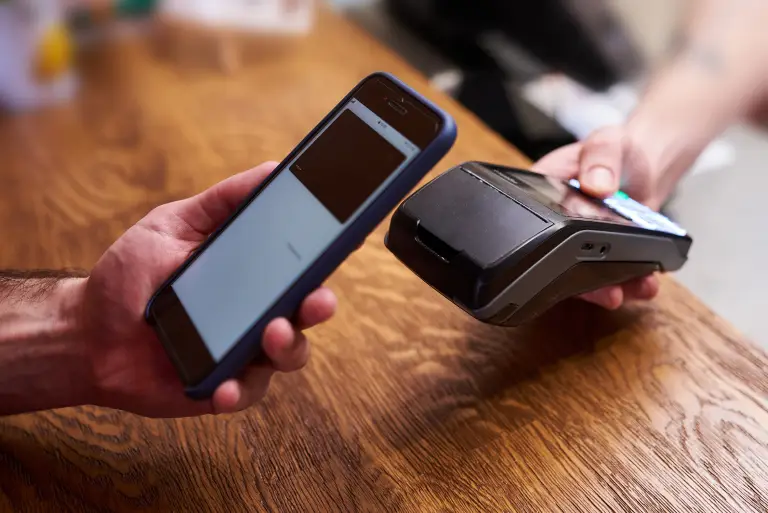
Payment System
top
Simple Steps to Complete Your Payment Securely and Efficiently
Making a payment on our website is quick and secure. Start by logging in or creating an account. Select your preferred payment method, input the required details, and review the information. Once you confirm everything is correct, click on the "Submit Payment" button. You’ll receive instant confirmation and can track your payment status through your account dashboard. It’s an easy and secure process.
Go to the Payment Section: Access the payment area on our website or app.
Choose Your Payment Method: Select your preferred payment option.
Enter Payment Details: Provide the necessary payment information.
Verify Your Information: Check that all details are correct.
Confirm Your Payment: Click "Submit Payment" to complete the transaction.
In the digital age, privacy concerns have become increasingly paramount, prompting the European Union to enact the General Data Protection Regulation (GDPR) in 2018. Among its many provisions, GDPR sets strict guidelines for the collection and processing of personal data, including the use of cookies on websites. Privacy Policy
Allow
Decline