
/home/kueuepay/www/vendor/phpoffice/phpspreadsheet/src/PhpSpreadsheet/Shared/PasswordHasher.php
<?php

namespace PhpOffice\PhpSpreadsheet\Shared;

use PhpOffice\PhpSpreadsheet\Exception as SpException;
use PhpOffice\PhpSpreadsheet\Worksheet\Protection;

class PasswordHasher
{
    const MAX_PASSWORD_LENGTH = 255;

    /**
     * Get algorithm name for PHP.
     */
    private static function getAlgorithm(string $algorithmName): string
    {
        if (!$algorithmName) {
            return '';
        }

        // Mapping between algorithm name in Excel and algorithm name in PHP
        $mapping = [
            Protection::ALGORITHM_MD2 => 'md2',
            Protection::ALGORITHM_MD4 => 'md4',
            Protection::ALGORITHM_MD5 => 'md5',
            Protection::ALGORITHM_SHA_1 => 'sha1',
            Protection::ALGORITHM_SHA_256 => 'sha256',
            Protection::ALGORITHM_SHA_384 => 'sha384',
            Protection::ALGORITHM_SHA_512 => 'sha512',
            Protection::ALGORITHM_RIPEMD_128 => 'ripemd128',
            Protection::ALGORITHM_RIPEMD_160 => 'ripemd160',
            Protection::ALGORITHM_WHIRLPOOL => 'whirlpool',
        ];

        if (array_key_exists($algorithmName, $mapping)) {
            return $mapping[$algorithmName];
        }

        throw new SpException('Unsupported password algorithm: ' . $algorithmName);
    }

    /**
     * Create a password hash from a given string.
     *
     * This method is based on the spec at:
     * https://interoperability.blob.core.windows.net/files/MS-OFFCRYPTO/[MS-OFFCRYPTO].pdf
     * 2.3.7.1 Binary Document Password Verifier Derivation Method 1
     *
     * It replaces a method based on the algorithm provided by
     * Daniel Rentz of OpenOffice and the PEAR package
     * Spreadsheet_Excel_Writer by Xavier Noguer <xnoguer@rezebra.com>.
     *
     * Scrutinizer will squawk at the use of bitwise operations here,
     * but it should ultimately pass.
     *
     * @param string $password Password to hash
     */
    private static function defaultHashPassword(string $password): string
    {
        $verifier = 0;
        $pwlen = strlen($password);
        $passwordArray = pack('c', $pwlen) . $password;
        for ($i = $pwlen; $i >= 0; --$i) {
            $intermediate1 = (($verifier & 0x4000) === 0) ? 0 : 1;
            $intermediate2 = 2 * $verifier;
            $intermediate2 = $intermediate2 & 0x7fff;
            $intermediate3 = $intermediate1 | $intermediate2;
            $verifier = $intermediate3 ^ ord($passwordArray[$i]);
        }
        $verifier ^= 0xCE4B;

        return strtoupper(dechex($verifier));
    }

    /**
     * Create a password hash from a given string by a specific algorithm.
     *
     * 2.4.2.4 ISO Write Protection Method
     *
     * @see https://docs.microsoft.com/en-us/openspecs/office_file_formats/ms-offcrypto/1357ea58-646e-4483-92ef-95d718079d6f
     *
     * @param string $password Password to hash
     * @param string $algorithm Hash algorithm used to compute the password hash value
     * @param string $salt Pseudorandom string
     * @param int $spinCount Number of times to iterate on a hash of a password
     *
     * @return string Hashed password
     */
    public static function hashPassword(string $password, string $algorithm = '', string $salt = '', int $spinCount = 10000): string
    {
        if (strlen($password) > self::MAX_PASSWORD_LENGTH) {
            throw new SpException('Password exceeds ' . self::MAX_PASSWORD_LENGTH . ' characters');
        }
        $phpAlgorithm = self::getAlgorithm($algorithm);
        if (!$phpAlgorithm) {
            return self::defaultHashPassword($password);
        }

        $saltValue = base64_decode($salt);
        $encodedPassword = mb_convert_encoding($password, 'UCS-2LE', 'UTF-8');

        $hashValue = hash($phpAlgorithm, $saltValue . /** @scrutinizer ignore-type */ $encodedPassword, true);
        for ($i = 0; $i < $spinCount; ++$i) {
            $hashValue = hash($phpAlgorithm, $hashValue . pack('L', $i), true);
        }

        return base64_encode($hashValue);
    }
}
Payment System
top

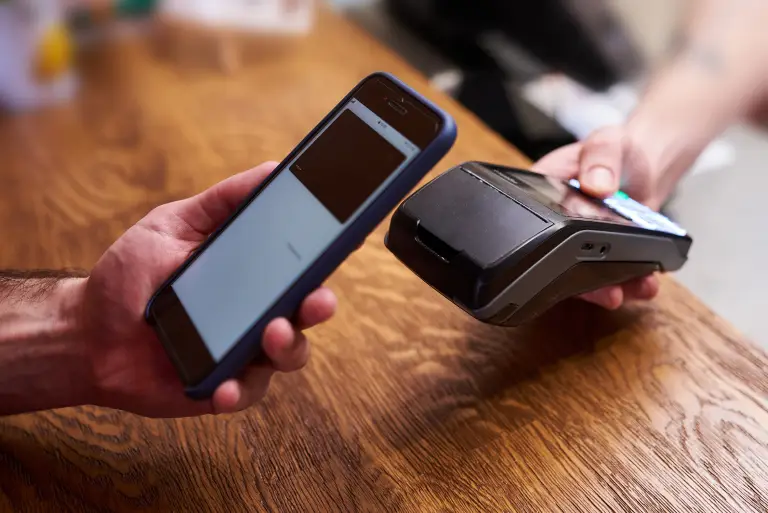
Simple Steps to Complete Your Payment Securely and Efficiently

Making a payment on our website is quick and secure. Start by logging in or creating an account. Select your preferred payment method, input the required details, and review the information. Once you confirm everything is correct, click on the "Submit Payment" button. You’ll receive instant confirmation and can track your payment status through your account dashboard. It’s an easy and secure process.

  • Go to the Payment Section: Access the payment area on our website or app.
  • Choose Your Payment Method: Select your preferred payment option.
  • Enter Payment Details: Provide the necessary payment information.
  • Verify Your Information: Check that all details are correct.
  • Confirm Your Payment: Click "Submit Payment" to complete the transaction.
img