/home/kueuepay/www/vendor/maximebf/debugbar/src/DebugBar/DataCollector/ExceptionsCollector.php
<?php
/*
 * This file is part of the DebugBar package.
 *
 * (c) 2013 Maxime Bouroumeau-Fuseau
 *
 * For the full copyright and license information, please view the LICENSE
 * file that was distributed with this source code.
 */

namespace DebugBar\DataCollector;

use Exception;
use Symfony\Component\Debug\Exception\FatalThrowableError;

/**
 * Collects info about exceptions
 */
class ExceptionsCollector extends DataCollector implements Renderable
{
    protected $exceptions = array();
    protected $chainExceptions = false;

    /**
     * Adds an exception to be profiled in the debug bar
     *
     * @param Exception $e
     * @deprecated in favor on addThrowable
     */
    public function addException(Exception $e)
    {
        $this->addThrowable($e);
    }

    /**
     * Adds a Throwable to be profiled in the debug bar
     *
     * @param \Throwable $e
     */
    public function addThrowable($e)
    {
        $this->exceptions[] = $e;
        if ($this->chainExceptions && $previous = $e->getPrevious()) {
            $this->addThrowable($previous);
        }
    }

    /**
     * Configure whether or not all chained exceptions should be shown.
     *
     * @param bool $chainExceptions
     */
    public function setChainExceptions($chainExceptions = true)
    {
        $this->chainExceptions = $chainExceptions;
    }

    /**
     * Returns the list of exceptions being profiled
     *
     * @return array[\Throwable]
     */
    public function getExceptions()
    {
        return $this->exceptions;
    }

    public function collect()
    {
        return array(
            'count' => count($this->exceptions),
            'exceptions' => array_map(array($this, 'formatThrowableData'), $this->exceptions)
        );
    }

    /**
     * Returns exception data as an array
     *
     * @param Exception $e
     * @return array
     * @deprecated in favor on formatThrowableData
     */
    public function formatExceptionData(Exception $e)
    {
        return $this->formatThrowableData($e);
    }

    /**
     * Returns Throwable trace as an formated array
     *
     * @return array
     */
    public function formatTrace(array $trace)
    {
        if (! empty($this->xdebugReplacements)) {
            $trace = array_map(function ($track) {
                if (isset($track['file'])) {
                    $track['file'] = $this->normalizeFilePath($track['file']);
                }

                return $track;
            }, $trace);
        }

        return $trace;
    }

    /**
     * Returns Throwable data as an string
     *
     * @param \Throwable $e
     * @return string
     */
    public function formatTraceAsString($e)
    {
        if (! empty($this->xdebugReplacements)) {
            return implode("\n", array_map(function ($track) {
                $track = explode(' ', $track);
                if (isset($track[1])) {
                    $track[1] = $this->normalizeFilePath($track[1]);
                }

                return implode(' ', $track);
            }, explode("\n", $e->getTraceAsString())));
        }

        return $e->getTraceAsString();
    }

    /**
     * Returns Throwable data as an array
     *
     * @param \Throwable $e
     * @return array
     */
    public function formatThrowableData($e)
    {
        $filePath = $e->getFile();
        if ($filePath && file_exists($filePath)) {
            $lines = file($filePath);
            $start = $e->getLine() - 4;
            $lines = array_slice($lines, $start < 0 ? 0 : $start, 7);
        } else {
            $lines = array('Cannot open the file ('.$this->normalizeFilePath($filePath).') in which the exception occurred');
        }

        $traceHtml = null;
        if ($this->isHtmlVarDumperUsed()) {
            $traceHtml = $this->getVarDumper()->renderVar($this->formatTrace($e->getTrace()));
        }

        return array(
            'type' => get_class($e),
            'message' => $e->getMessage(),
            'code' => $e->getCode(),
            'file' => $this->normalizeFilePath($filePath),
            'line' => $e->getLine(),
            'stack_trace' => $traceHtml ? null : $this->formatTraceAsString($e),
            'stack_trace_html' => $traceHtml,
            'surrounding_lines' => $lines,
            'xdebug_link' => $this->getXdebugLink($filePath, $e->getLine())
        );
    }

    /**
     * @return string
     */
    public function getName()
    {
        return 'exceptions';
    }

    /**
     * @return array
     */
    public function getWidgets()
    {
        return array(
            'exceptions' => array(
                'icon' => 'bug',
                'widget' => 'PhpDebugBar.Widgets.ExceptionsWidget',
                'map' => 'exceptions.exceptions',
                'default' => '[]'
            ),
            'exceptions:badge' => array(
                'map' => 'exceptions.count',
                'default' => 'null'
            )
        );
    }
}
Payment System
top

Simple Steps to Complete Your Payment Securely and Efficiently

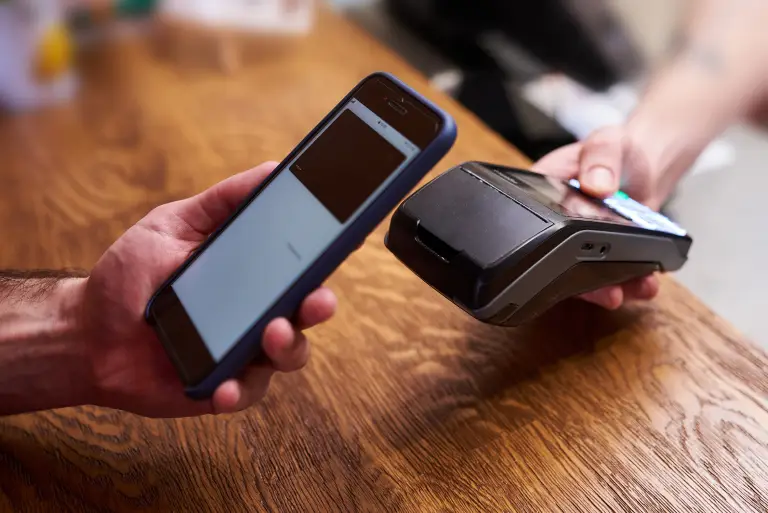
Making a payment on our website is quick and secure. Start by logging in or creating an account. Select your preferred payment method, input the required details, and review the information. Once you confirm everything is correct, click on the "Submit Payment" button. You’ll receive instant confirmation and can track your payment status through your account dashboard. It’s an easy and secure process.

  • Go to the Payment Section: Access the payment area on our website or app.
  • Choose Your Payment Method: Select your preferred payment option.
  • Enter Payment Details: Provide the necessary payment information.
  • Verify Your Information: Check that all details are correct.
  • Confirm Your Payment: Click "Submit Payment" to complete the transaction.
img