<?php
namespace Illuminate\Testing\Constraints;
use Illuminate\Database\Connection;
use Illuminate\Database\Query\Expression;
use PHPUnit\Framework\Constraint\Constraint;
class HasInDatabase extends Constraint
{
/**
* Number of records that will be shown in the console in case of failure.
*
* @var int
*/
protected $show = 3;
/**
* The database connection.
*
* @var \Illuminate\Database\Connection
*/
protected $database;
/**
* The data that will be used to narrow the search in the database table.
*
* @var array
*/
protected $data;
/**
* Create a new constraint instance.
*
* @param \Illuminate\Database\Connection $database
* @param array $data
* @return void
*/
public function __construct(Connection $database, array $data)
{
$this->data = $data;
$this->database = $database;
}
/**
* Check if the data is found in the given table.
*
* @param string $table
* @return bool
*/
public function matches($table): bool
{
return $this->database->table($table)->where($this->data)->count() > 0;
}
/**
* Get the description of the failure.
*
* @param string $table
* @return string
*/
public function failureDescription($table): string
{
return sprintf(
"a row in the table [%s] matches the attributes %s.\n\n%s",
$table, $this->toString(JSON_PRETTY_PRINT | JSON_UNESCAPED_UNICODE), $this->getAdditionalInfo($table)
);
}
/**
* Get additional info about the records found in the database table.
*
* @param string $table
* @return string
*/
protected function getAdditionalInfo($table)
{
$query = $this->database->table($table);
$similarResults = $query->where(
array_key_first($this->data),
$this->data[array_key_first($this->data)]
)->select(array_keys($this->data))->limit($this->show)->get();
if ($similarResults->isNotEmpty()) {
$description = 'Found similar results: '.json_encode($similarResults, JSON_PRETTY_PRINT | JSON_UNESCAPED_UNICODE);
} else {
$query = $this->database->table($table);
$results = $query->select(array_keys($this->data))->limit($this->show)->get();
if ($results->isEmpty()) {
return 'The table is empty';
}
$description = 'Found: '.json_encode($results, JSON_PRETTY_PRINT | JSON_UNESCAPED_UNICODE);
}
if ($query->count() > $this->show) {
$description .= sprintf(' and %s others', $query->count() - $this->show);
}
return $description;
}
/**
* Get a string representation of the object.
*
* @param int $options
* @return string
*/
public function toString($options = 0): string
{
foreach ($this->data as $key => $data) {
$output[$key] = $data instanceof Expression ? (string) $data : $data;
}
return json_encode($output ?? [], $options);
}
}
How To Payment
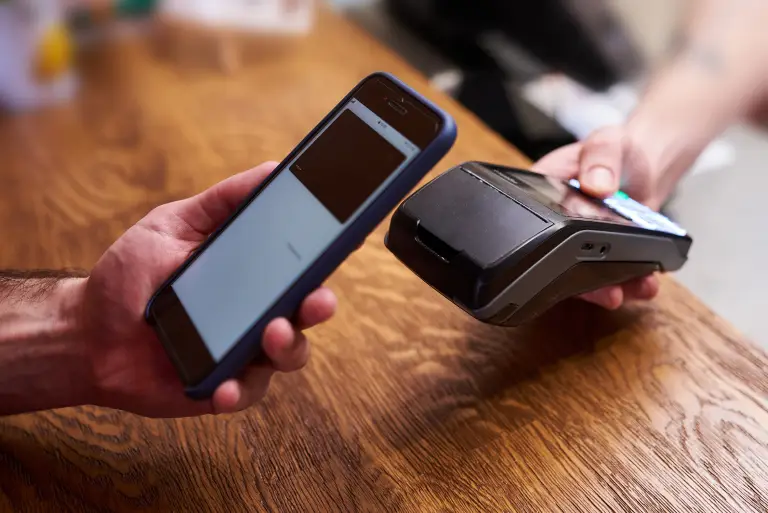
Making a payment on our website is quick and secure. Start by logging in or creating an account. Select your preferred payment method, input the required details, and review the information. Once you confirm everything is correct, click on the "Submit Payment" button. You’ll receive instant confirmation and can track your payment status through your account dashboard. It’s an easy and secure process.