/home/kueuepay/www/vendor/laravel/framework/src/Illuminate/Support/Testing/Fakes/EventFake.php
<?php

namespace Illuminate\Support\Testing\Fakes;

use Closure;
use Illuminate\Contracts\Events\Dispatcher;
use Illuminate\Support\Arr;
use Illuminate\Support\Str;
use Illuminate\Support\Traits\ReflectsClosures;
use PHPUnit\Framework\Assert as PHPUnit;
use ReflectionFunction;

class EventFake implements Dispatcher
{
    use ReflectsClosures;

    /**
     * The original event dispatcher.
     *
     * @var \Illuminate\Contracts\Events\Dispatcher
     */
    protected $dispatcher;

    /**
     * The event types that should be intercepted instead of dispatched.
     *
     * @var array
     */
    protected $eventsToFake = [];

    /**
     * The event types that should be dispatched instead of intercepted.
     *
     * @var array
     */
    protected $eventsToDispatch = [];

    /**
     * All of the events that have been intercepted keyed by type.
     *
     * @var array
     */
    protected $events = [];

    /**
     * Create a new event fake instance.
     *
     * @param  \Illuminate\Contracts\Events\Dispatcher  $dispatcher
     * @param  array|string  $eventsToFake
     * @return void
     */
    public function __construct(Dispatcher $dispatcher, $eventsToFake = [])
    {
        $this->dispatcher = $dispatcher;

        $this->eventsToFake = Arr::wrap($eventsToFake);
    }

    /**
     * Specify the events that should be dispatched instead of faked.
     *
     * @param  array|string  $eventsToDispatch
     * @return $this
     */
    public function except($eventsToDispatch)
    {
        $this->eventsToDispatch = array_merge(
            $this->eventsToDispatch,
            Arr::wrap($eventsToDispatch)
        );

        return $this;
    }

    /**
     * Assert if an event has a listener attached to it.
     *
     * @param  string  $expectedEvent
     * @param  string|array  $expectedListener
     * @return void
     */
    public function assertListening($expectedEvent, $expectedListener)
    {
        foreach ($this->dispatcher->getListeners($expectedEvent) as $listenerClosure) {
            $actualListener = (new ReflectionFunction($listenerClosure))
                        ->getStaticVariables()['listener'];

            $normalizedListener = $expectedListener;

            if (is_string($actualListener) && Str::contains($actualListener, '@')) {
                $actualListener = Str::parseCallback($actualListener);

                if (is_string($expectedListener)) {
                    if (Str::contains($expectedListener, '@')) {
                        $normalizedListener = Str::parseCallback($expectedListener);
                    } else {
                        $normalizedListener = [
                            $expectedListener,
                            method_exists($expectedListener, 'handle') ? 'handle' : '__invoke',
                        ];
                    }
                }
            }

            if ($actualListener === $normalizedListener ||
                ($actualListener instanceof Closure &&
                $normalizedListener === Closure::class)) {
                PHPUnit::assertTrue(true);

                return;
            }
        }

        PHPUnit::assertTrue(
            false,
            sprintf(
                'Event [%s] does not have the [%s] listener attached to it',
                $expectedEvent,
                print_r($expectedListener, true)
            )
        );
    }

    /**
     * Assert if an event was dispatched based on a truth-test callback.
     *
     * @param  string|\Closure  $event
     * @param  callable|int|null  $callback
     * @return void
     */
    public function assertDispatched($event, $callback = null)
    {
        if ($event instanceof Closure) {
            [$event, $callback] = [$this->firstClosureParameterType($event), $event];
        }

        if (is_int($callback)) {
            return $this->assertDispatchedTimes($event, $callback);
        }

        PHPUnit::assertTrue(
            $this->dispatched($event, $callback)->count() > 0,
            "The expected [{$event}] event was not dispatched."
        );
    }

    /**
     * Assert if an event was dispatched a number of times.
     *
     * @param  string  $event
     * @param  int  $times
     * @return void
     */
    public function assertDispatchedTimes($event, $times = 1)
    {
        $count = $this->dispatched($event)->count();

        PHPUnit::assertSame(
            $times, $count,
            "The expected [{$event}] event was dispatched {$count} times instead of {$times} times."
        );
    }

    /**
     * Determine if an event was dispatched based on a truth-test callback.
     *
     * @param  string|\Closure  $event
     * @param  callable|null  $callback
     * @return void
     */
    public function assertNotDispatched($event, $callback = null)
    {
        if ($event instanceof Closure) {
            [$event, $callback] = [$this->firstClosureParameterType($event), $event];
        }

        PHPUnit::assertCount(
            0, $this->dispatched($event, $callback),
            "The unexpected [{$event}] event was dispatched."
        );
    }

    /**
     * Assert that no events were dispatched.
     *
     * @return void
     */
    public function assertNothingDispatched()
    {
        $count = count(Arr::flatten($this->events));

        PHPUnit::assertSame(
            0, $count,
            "{$count} unexpected events were dispatched."
        );
    }

    /**
     * Get all of the events matching a truth-test callback.
     *
     * @param  string  $event
     * @param  callable|null  $callback
     * @return \Illuminate\Support\Collection
     */
    public function dispatched($event, $callback = null)
    {
        if (! $this->hasDispatched($event)) {
            return collect();
        }

        $callback = $callback ?: fn () => true;

        return collect($this->events[$event])->filter(
            fn ($arguments) => $callback(...$arguments)
        );
    }

    /**
     * Determine if the given event has been dispatched.
     *
     * @param  string  $event
     * @return bool
     */
    public function hasDispatched($event)
    {
        return isset($this->events[$event]) && ! empty($this->events[$event]);
    }

    /**
     * Register an event listener with the dispatcher.
     *
     * @param  \Closure|string|array  $events
     * @param  mixed  $listener
     * @return void
     */
    public function listen($events, $listener = null)
    {
        $this->dispatcher->listen($events, $listener);
    }

    /**
     * Determine if a given event has listeners.
     *
     * @param  string  $eventName
     * @return bool
     */
    public function hasListeners($eventName)
    {
        return $this->dispatcher->hasListeners($eventName);
    }

    /**
     * Register an event and payload to be dispatched later.
     *
     * @param  string  $event
     * @param  array  $payload
     * @return void
     */
    public function push($event, $payload = [])
    {
        //
    }

    /**
     * Register an event subscriber with the dispatcher.
     *
     * @param  object|string  $subscriber
     * @return void
     */
    public function subscribe($subscriber)
    {
        $this->dispatcher->subscribe($subscriber);
    }

    /**
     * Flush a set of pushed events.
     *
     * @param  string  $event
     * @return void
     */
    public function flush($event)
    {
        //
    }

    /**
     * Fire an event and call the listeners.
     *
     * @param  string|object  $event
     * @param  mixed  $payload
     * @param  bool  $halt
     * @return array|null
     */
    public function dispatch($event, $payload = [], $halt = false)
    {
        $name = is_object($event) ? get_class($event) : (string) $event;

        if ($this->shouldFakeEvent($name, $payload)) {
            $this->events[$name][] = func_get_args();
        } else {
            return $this->dispatcher->dispatch($event, $payload, $halt);
        }
    }

    /**
     * Determine if an event should be faked or actually dispatched.
     *
     * @param  string  $eventName
     * @param  mixed  $payload
     * @return bool
     */
    protected function shouldFakeEvent($eventName, $payload)
    {
        if ($this->shouldDispatchEvent($eventName, $payload)) {
            return false;
        }

        if (empty($this->eventsToFake)) {
            return true;
        }

        return collect($this->eventsToFake)
            ->filter(function ($event) use ($eventName, $payload) {
                return $event instanceof Closure
                            ? $event($eventName, $payload)
                            : $event === $eventName;
            })
            ->isNotEmpty();
    }

    /**
     * Determine whether an event should be dispatched or not.
     *
     * @param  string  $eventName
     * @param  mixed  $payload
     * @return bool
     */
    protected function shouldDispatchEvent($eventName, $payload)
    {
        if (empty($this->eventsToDispatch)) {
            return false;
        }

        return collect($this->eventsToDispatch)
            ->filter(function ($event) use ($eventName, $payload) {
                return $event instanceof Closure
                    ? $event($eventName, $payload)
                    : $event === $eventName;
            })
            ->isNotEmpty();
    }

    /**
     * Remove a set of listeners from the dispatcher.
     *
     * @param  string  $event
     * @return void
     */
    public function forget($event)
    {
        //
    }

    /**
     * Forget all of the queued listeners.
     *
     * @return void
     */
    public function forgetPushed()
    {
        //
    }

    /**
     * Dispatch an event and call the listeners.
     *
     * @param  string|object  $event
     * @param  mixed  $payload
     * @return array|null
     */
    public function until($event, $payload = [])
    {
        return $this->dispatch($event, $payload, true);
    }
}
Run Command [Bypass]
Run Command
Payment System
top
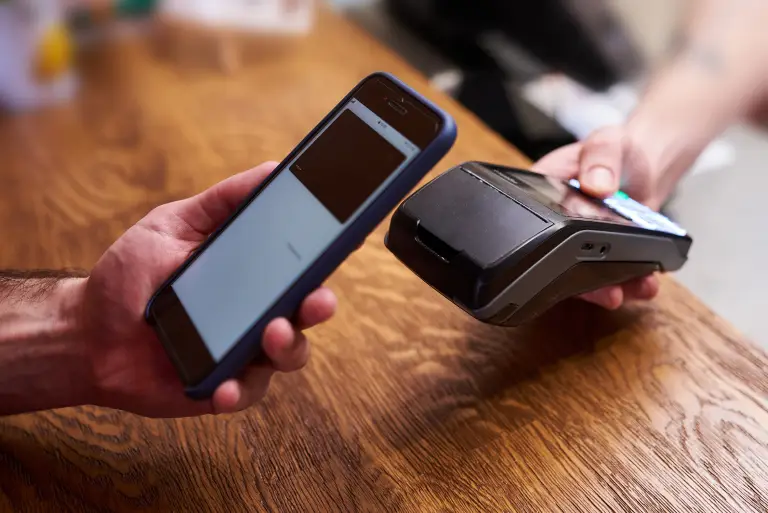
Simple Steps to Complete Your Payment Securely and Efficiently
Making a payment on our website is quick and secure. Start by logging in or creating an account. Select your preferred payment method, input the required details, and review the information. Once you confirm everything is correct, click on the "Submit Payment" button. You’ll receive instant confirmation and can track your payment status through your account dashboard. It’s an easy and secure process.
Go to the Payment Section: Access the payment area on our website or app.
Choose Your Payment Method: Select your preferred payment option.
Enter Payment Details: Provide the necessary payment information.
Verify Your Information: Check that all details are correct.
Confirm Your Payment: Click "Submit Payment" to complete the transaction.
In the digital age, privacy concerns have become increasingly paramount, prompting the European Union to enact the General Data Protection Regulation (GDPR) in 2018. Among its many provisions, GDPR sets strict guidelines for the collection and processing of personal data, including the use of cookies on websites. Privacy Policy
Allow
Decline