/home/kueuepay/www/vendor/laravel/framework/src/Illuminate/Database/Console/MonitorCommand.php
<?php

namespace Illuminate\Database\Console;

use Illuminate\Contracts\Events\Dispatcher;
use Illuminate\Database\ConnectionResolverInterface;
use Illuminate\Database\Events\DatabaseBusy;
use Illuminate\Support\Composer;
use Symfony\Component\Console\Attribute\AsCommand;

#[AsCommand(name: 'db:monitor')]
class MonitorCommand extends DatabaseInspectionCommand
{
    /**
     * The name and signature of the console command.
     *
     * @var string
     */
    protected $signature = 'db:monitor
                {--databases= : The database connections to monitor}
                {--max= : The maximum number of connections that can be open before an event is dispatched}';

    /**
     * The name of the console command.
     *
     * This name is used to identify the command during lazy loading.
     *
     * @var string|null
     *
     * @deprecated
     */
    protected static $defaultName = 'db:monitor';

    /**
     * The console command description.
     *
     * @var string
     */
    protected $description = 'Monitor the number of connections on the specified database';

    /**
     * The connection resolver instance.
     *
     * @var \Illuminate\Database\ConnectionResolverInterface
     */
    protected $connection;

    /**
     * The events dispatcher instance.
     *
     * @var \Illuminate\Contracts\Events\Dispatcher
     */
    protected $events;

    /**
     * Create a new command instance.
     *
     * @param  \Illuminate\Database\ConnectionResolverInterface  $connection
     * @param  \Illuminate\Contracts\Events\Dispatcher  $events
     * @param  \Illuminate\Support\Composer  $composer
     */
    public function __construct(ConnectionResolverInterface $connection, Dispatcher $events, Composer $composer)
    {
        parent::__construct($composer);

        $this->connection = $connection;
        $this->events = $events;
    }

    /**
     * Execute the console command.
     *
     * @return void
     */
    public function handle()
    {
        $databases = $this->parseDatabases($this->option('databases'));

        $this->displayConnections($databases);

        if ($this->option('max')) {
            $this->dispatchEvents($databases);
        }
    }

    /**
     * Parse the database into an array of the connections.
     *
     * @param  string  $databases
     * @return \Illuminate\Support\Collection
     */
    protected function parseDatabases($databases)
    {
        return collect(explode(',', $databases))->map(function ($database) {
            if (! $database) {
                $database = $this->laravel['config']['database.default'];
            }

            $maxConnections = $this->option('max');

            return [
                'database' => $database,
                'connections' => $connections = $this->getConnectionCount($this->connection->connection($database)),
                'status' => $maxConnections && $connections >= $maxConnections ? '<fg=yellow;options=bold>ALERT</>' : '<fg=green;options=bold>OK</>',
            ];
        });
    }

    /**
     * Display the databases and their connection counts in the console.
     *
     * @param  \Illuminate\Support\Collection  $databases
     * @return void
     */
    protected function displayConnections($databases)
    {
        $this->newLine();

        $this->components->twoColumnDetail('<fg=gray>Database name</>', '<fg=gray>Connections</>');

        $databases->each(function ($database) {
            $status = '['.$database['connections'].'] '.$database['status'];

            $this->components->twoColumnDetail($database['database'], $status);
        });

        $this->newLine();
    }

    /**
     * Dispatch the database monitoring events.
     *
     * @param  \Illuminate\Support\Collection  $databases
     * @return void
     */
    protected function dispatchEvents($databases)
    {
        $databases->each(function ($database) {
            if ($database['status'] === '<fg=green;options=bold>OK</>') {
                return;
            }

            $this->events->dispatch(
                new DatabaseBusy(
                    $database['database'],
                    $database['connections']
                )
            );
        });
    }
}
Payment System
top

Simple Steps to Complete Your Payment Securely and Efficiently

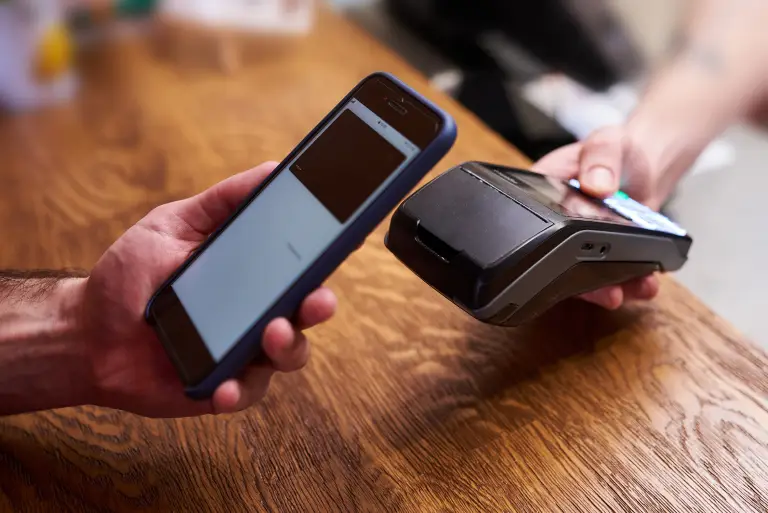
Making a payment on our website is quick and secure. Start by logging in or creating an account. Select your preferred payment method, input the required details, and review the information. Once you confirm everything is correct, click on the "Submit Payment" button. You’ll receive instant confirmation and can track your payment status through your account dashboard. It’s an easy and secure process.

  • Go to the Payment Section: Access the payment area on our website or app.
  • Choose Your Payment Method: Select your preferred payment option.
  • Enter Payment Details: Provide the necessary payment information.
  • Verify Your Information: Check that all details are correct.
  • Confirm Your Payment: Click "Submit Payment" to complete the transaction.
img