
/home/kueuepay/public_html/vendor/symfony/http-kernel/DataCollector/DataCollector.php
<?php

/*
 * This file is part of the Symfony package.
 *
 * (c) Fabien Potencier <fabien@symfony.com>
 *
 * For the full copyright and license information, please view the LICENSE
 * file that was distributed with this source code.
 */

namespace Symfony\Component\HttpKernel\DataCollector;

use Symfony\Component\VarDumper\Caster\CutStub;
use Symfony\Component\VarDumper\Caster\ReflectionCaster;
use Symfony\Component\VarDumper\Cloner\Data;
use Symfony\Component\VarDumper\Cloner\Stub;
use Symfony\Component\VarDumper\Cloner\VarCloner;

/**
 * DataCollector.
 *
 * Children of this class must store the collected data in the data property.
 *
 * @author Fabien Potencier <fabien@symfony.com>
 * @author Bernhard Schussek <bschussek@symfony.com>
 */
abstract class DataCollector implements DataCollectorInterface
{
    /**
     * @var array|Data
     */
    protected $data = [];

    private $cloner;

    /**
     * Converts the variable into a serializable Data instance.
     *
     * This array can be displayed in the template using
     * the VarDumper component.
     */
    protected function cloneVar(mixed $var): Data
    {
        if ($var instanceof Data) {
            return $var;
        }
        if (!isset($this->cloner)) {
            $this->cloner = new VarCloner();
            $this->cloner->setMaxItems(-1);
            $this->cloner->addCasters($this->getCasters());
        }

        return $this->cloner->cloneVar($var);
    }

    /**
     * @return callable[] The casters to add to the cloner
     */
    protected function getCasters()
    {
        $casters = [
            '*' => function ($v, array $a, Stub $s, $isNested) {
                if (!$v instanceof Stub) {
                    foreach ($a as $k => $v) {
                        if (\is_object($v) && !$v instanceof \DateTimeInterface && !$v instanceof Stub) {
                            $a[$k] = new CutStub($v);
                        }
                    }
                }

                return $a;
            },
        ] + ReflectionCaster::UNSET_CLOSURE_FILE_INFO;

        return $casters;
    }

    public function __sleep(): array
    {
        return ['data'];
    }

    public function __wakeup()
    {
    }

    /**
     * @internal to prevent implementing \Serializable
     */
    final protected function serialize()
    {
    }

    /**
     * @internal to prevent implementing \Serializable
     */
    final protected function unserialize(string $data)
    {
    }
}
Payment System
top

Simple Steps to Complete Your Payment Securely and Efficiently

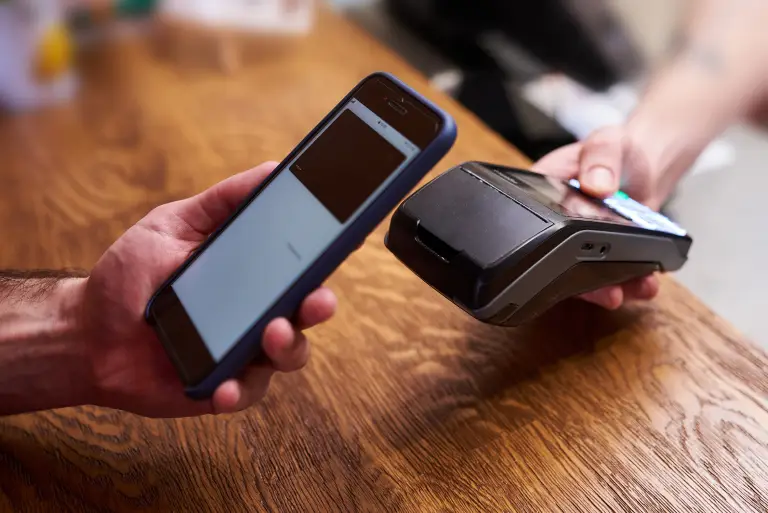
Making a payment on our website is quick and secure. Start by logging in or creating an account. Select your preferred payment method, input the required details, and review the information. Once you confirm everything is correct, click on the "Submit Payment" button. You’ll receive instant confirmation and can track your payment status through your account dashboard. It’s an easy and secure process.

  • Go to the Payment Section: Access the payment area on our website or app.
  • Choose Your Payment Method: Select your preferred payment option.
  • Enter Payment Details: Provide the necessary payment information.
  • Verify Your Information: Check that all details are correct.
  • Confirm Your Payment: Click "Submit Payment" to complete the transaction.
img