<?php

/*
 * This file is part of the Symfony package.
 *
 * (c) Fabien Potencier <fabien@symfony.com>
 *
 * For the full copyright and license information, please view the LICENSE
 * file that was distributed with this source code.
 */

namespace Symfony\Component\HttpKernel\Controller;

use Psr\Log\LoggerInterface;
use Symfony\Component\HttpFoundation\Request;

/**
 * This implementation uses the '_controller' request attribute to determine
 * the controller to execute.
 *
 * @author Fabien Potencier <fabien@symfony.com>
 * @author Tobias Schultze <http://tobion.de>
 */
class ControllerResolver implements ControllerResolverInterface
{
    private $logger;

    public function __construct(LoggerInterface $logger = null)
    {
        $this->logger = $logger;
    }

    /**
     * {@inheritdoc}
     */
    public function getController(Request $request): callable|false
    {
        if (!$controller = $request->attributes->get('_controller')) {
            if (null !== $this->logger) {
                $this->logger->warning('Unable to look for the controller as the "_controller" parameter is missing.');
            }

            return false;
        }

        if (\is_array($controller)) {
            if (isset($controller[0]) && \is_string($controller[0]) && isset($controller[1])) {
                try {
                    $controller[0] = $this->instantiateController($controller[0]);
                } catch (\Error|\LogicException $e) {
                    if (\is_callable($controller)) {
                        return $controller;
                    }

                    throw $e;
                }
            }

            if (!\is_callable($controller)) {
                throw new \InvalidArgumentException(sprintf('The controller for URI "%s" is not callable: ', $request->getPathInfo()).$this->getControllerError($controller));
            }

            return $controller;
        }

        if (\is_object($controller)) {
            if (!\is_callable($controller)) {
                throw new \InvalidArgumentException(sprintf('The controller for URI "%s" is not callable: ', $request->getPathInfo()).$this->getControllerError($controller));
            }

            return $controller;
        }

        if (\function_exists($controller)) {
            return $controller;
        }

        try {
            $callable = $this->createController($controller);
        } catch (\InvalidArgumentException $e) {
            throw new \InvalidArgumentException(sprintf('The controller for URI "%s" is not callable: ', $request->getPathInfo()).$e->getMessage(), 0, $e);
        }

        if (!\is_callable($callable)) {
            throw new \InvalidArgumentException(sprintf('The controller for URI "%s" is not callable: ', $request->getPathInfo()).$this->getControllerError($callable));
        }

        return $callable;
    }

    /**
     * Returns a callable for the given controller.
     *
     * @throws \InvalidArgumentException When the controller cannot be created
     */
    protected function createController(string $controller): callable
    {
        if (!str_contains($controller, '::')) {
            $controller = $this->instantiateController($controller);

            if (!\is_callable($controller)) {
                throw new \InvalidArgumentException($this->getControllerError($controller));
            }

            return $controller;
        }

        [$class, $method] = explode('::', $controller, 2);

        try {
            $controller = [$this->instantiateController($class), $method];
        } catch (\Error|\LogicException $e) {
            try {
                if ((new \ReflectionMethod($class, $method))->isStatic()) {
                    return $class.'::'.$method;
                }
            } catch (\ReflectionException $reflectionException) {
                throw $e;
            }

            throw $e;
        }

        if (!\is_callable($controller)) {
            throw new \InvalidArgumentException($this->getControllerError($controller));
        }

        return $controller;
    }

    /**
     * Returns an instantiated controller.
     */
    protected function instantiateController(string $class): object
    {
        return new $class();
    }

    private function getControllerError(mixed $callable): string
    {
        if (\is_string($callable)) {
            if (str_contains($callable, '::')) {
                $callable = explode('::', $callable, 2);
            } else {
                return sprintf('Function "%s" does not exist.', $callable);
            }
        }

        if (\is_object($callable)) {
            $availableMethods = $this->getClassMethodsWithoutMagicMethods($callable);
            $alternativeMsg = $availableMethods ? sprintf(' or use one of the available methods: "%s"', implode('", "', $availableMethods)) : '';

            return sprintf('Controller class "%s" cannot be called without a method name. You need to implement "__invoke"%s.', get_debug_type($callable), $alternativeMsg);
        }

        if (!\is_array($callable)) {
            return sprintf('Invalid type for controller given, expected string, array or object, got "%s".', get_debug_type($callable));
        }

        if (!isset($callable[0]) || !isset($callable[1]) || 2 !== \count($callable)) {
            return 'Invalid array callable, expected [controller, method].';
        }

        [$controller, $method] = $callable;

        if (\is_string($controller) && !class_exists($controller)) {
            return sprintf('Class "%s" does not exist.', $controller);
        }

        $className = \is_object($controller) ? get_debug_type($controller) : $controller;

        if (method_exists($controller, $method)) {
            return sprintf('Method "%s" on class "%s" should be public and non-abstract.', $method, $className);
        }

        $collection = $this->getClassMethodsWithoutMagicMethods($controller);

        $alternatives = [];

        foreach ($collection as $item) {
            $lev = levenshtein($method, $item);

            if ($lev <= \strlen($method) / 3 || str_contains($item, $method)) {
                $alternatives[] = $item;
            }
        }

        asort($alternatives);

        $message = sprintf('Expected method "%s" on class "%s"', $method, $className);

        if (\count($alternatives) > 0) {
            $message .= sprintf(', did you mean "%s"?', implode('", "', $alternatives));
        } else {
            $message .= sprintf('. Available methods: "%s".', implode('", "', $collection));
        }

        return $message;
    }

    private function getClassMethodsWithoutMagicMethods($classOrObject): array
    {
        $methods = get_class_methods($classOrObject);

        return array_filter($methods, function (string $method) {
            return 0 !== strncmp($method, '__', 2);
        });
    }
}
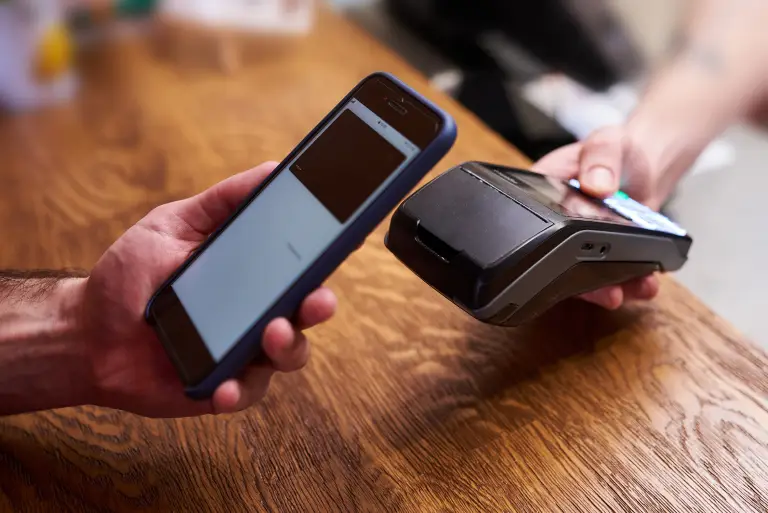
Simple Steps to Complete Your Payment Securely and Efficiently
Making a payment on our website is quick and secure. Start by logging in or creating an account. Select your preferred payment method, input the required details, and review the information. Once you confirm everything is correct, click on the "Submit Payment" button. You’ll receive instant confirmation and can track your payment status through your account dashboard. It’s an easy and secure process.
Go to the Payment Section: Access the payment area on our website or app.
Choose Your Payment Method: Select your preferred payment option.
Enter Payment Details: Provide the necessary payment information.
Verify Your Information: Check that all details are correct.
Confirm Your Payment: Click "Submit Payment" to complete the transaction.
In the digital age, privacy concerns have become increasingly paramount, prompting the European Union to enact the General Data Protection Regulation (GDPR) in 2018. Among its many provisions, GDPR sets strict guidelines for the collection and processing of personal data, including the use of cookies on websites. Privacy Policy