<div class="exception-summary <?= !$exceptionMessage ? 'exception-without-message' : ''; ?>">
<div class="exception-metadata">
<div class="container">
<h2 class="exception-hierarchy">
<?php foreach (array_reverse($exception->getAllPrevious(), true) as $index => $previousException) { ?>
<a href="#trace-box-<?= $index + 2; ?>"><?= $this->abbrClass($previousException->getClass()); ?></a>
<span class="icon"><?= $this->include('assets/images/chevron-right.svg'); ?></span>
<?php } ?>
<a href="#trace-box-1"><?= $this->abbrClass($exception->getClass()); ?></a>
</h2>
<h2 class="exception-http">
HTTP <?= $statusCode; ?> <small><?= $statusText; ?></small>
</h2>
</div>
</div>
<div class="exception-message-wrapper">
<div class="container">
<h1 class="break-long-words exception-message<?= mb_strlen($exceptionMessage) > 180 ? ' long' : ''; ?>"><?= $this->formatFileFromText(nl2br($exceptionMessage)); ?></h1>
<div class="exception-illustration hidden-xs-down">
<?= $this->include('assets/images/symfony-ghost.svg.php'); ?>
</div>
</div>
</div>
</div>
<div class="container">
<div class="sf-tabs">
<div class="tab">
<?php
$exceptionAsArray = $exception->toArray();
$exceptionWithUserCode = [];
$exceptionAsArrayCount = count($exceptionAsArray);
$last = $exceptionAsArrayCount - 1;
foreach ($exceptionAsArray as $i => $e) {
foreach ($e['trace'] as $trace) {
if ($trace['file'] && false === mb_strpos($trace['file'], '/vendor/') && false === mb_strpos($trace['file'], '/var/cache/') && $i < $last) {
$exceptionWithUserCode[] = $i;
}
}
}
?>
<h3 class="tab-title">
<?php if ($exceptionAsArrayCount > 1) { ?>
Exceptions <span class="badge"><?= $exceptionAsArrayCount; ?></span>
<?php } else { ?>
Exception
<?php } ?>
</h3>
<div class="tab-content">
<?php
foreach ($exceptionAsArray as $i => $e) {
echo $this->include('views/traces.html.php', [
'exception' => $e,
'index' => $i + 1,
'expand' => in_array($i, $exceptionWithUserCode, true) || ([] === $exceptionWithUserCode && 0 === $i),
]);
}
?>
</div>
</div>
<?php if ($logger) { ?>
<div class="tab <?= !$logger->getLogs() ? 'disabled' : ''; ?>">
<h3 class="tab-title">
Logs
<?php if ($logger->countErrors()) { ?><span class="badge status-error"><?= $logger->countErrors(); ?></span><?php } ?>
</h3>
<div class="tab-content">
<?php if ($logger->getLogs()) { ?>
<?= $this->include('views/logs.html.php', ['logs' => $logger->getLogs()]); ?>
<?php } else { ?>
<div class="empty">
<p>No log messages</p>
</div>
<?php } ?>
</div>
</div>
<?php } ?>
<div class="tab">
<h3 class="tab-title">
<?php if ($exceptionAsArrayCount > 1) { ?>
Stack Traces <span class="badge"><?= $exceptionAsArrayCount; ?></span>
<?php } else { ?>
Stack Trace
<?php } ?>
</h3>
<div class="tab-content">
<?php
foreach ($exceptionAsArray as $i => $e) {
echo $this->include('views/traces_text.html.php', [
'exception' => $e,
'index' => $i + 1,
'numExceptions' => $exceptionAsArrayCount,
]);
}
?>
</div>
</div>
<?php if ($currentContent) { ?>
<div class="tab">
<h3 class="tab-title">Output content</h3>
<div class="tab-content">
<?= $currentContent; ?>
</div>
</div>
<?php } ?>
</div>
</div>
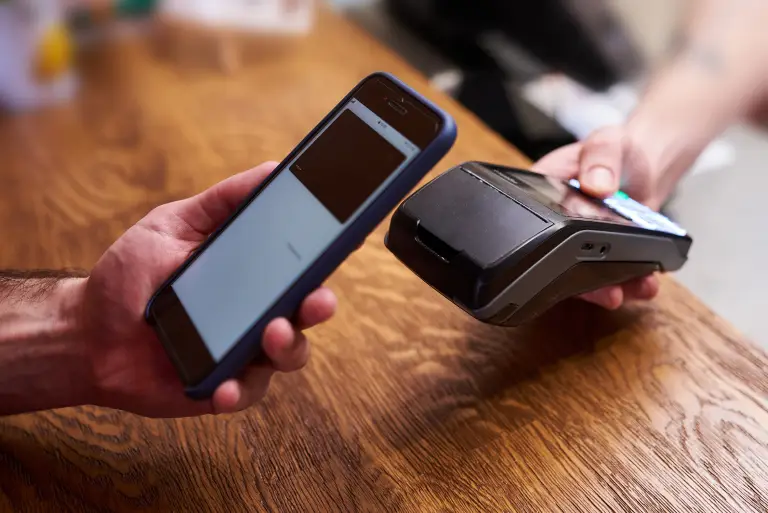
How To Payment
Making a payment on our website is quick and secure. Start by logging in or creating an account. Select your preferred payment method, input the required details, and review the information. Once you confirm everything is correct, click on the "Submit Payment" button. You’ll receive instant confirmation and can track your payment status through your account dashboard. It’s an easy and secure process.