<?php

/**
 * This file is part of the ramsey/uuid library
 *
 * For the full copyright and license information, please view the LICENSE
 * file that was distributed with this source code.
 *
 * @copyright Copyright (c) Ben Ramsey <ben@benramsey.com>
 * @license http://opensource.org/licenses/MIT MIT
 */

declare(strict_types=1);

namespace Ramsey\Uuid\Generator;

use Brick\Math\BigInteger;
use DateTimeImmutable;
use DateTimeInterface;
use Ramsey\Uuid\Type\Hexadecimal;

use function hash;
use function pack;
use function str_pad;
use function strlen;
use function substr;
use function substr_replace;
use function unpack;

use const PHP_INT_SIZE;
use const STR_PAD_LEFT;

/**
 * UnixTimeGenerator generates bytes that combine a 48-bit timestamp in
 * milliseconds since the Unix Epoch with 80 random bits
 *
 * Code and concepts within this class are borrowed from the symfony/uid package
 * and are used under the terms of the MIT license distributed with symfony/uid.
 *
 * symfony/uid is copyright (c) Fabien Potencier.
 *
 * @link https://symfony.com/components/Uid Symfony Uid component
 * @link https://github.com/symfony/uid/blob/4f9f537e57261519808a7ce1d941490736522bbc/UuidV7.php Symfony UuidV7 class
 * @link https://github.com/symfony/uid/blob/6.2/LICENSE MIT License
 */
class UnixTimeGenerator implements TimeGeneratorInterface
{
    private static string $time = '';
    private static ?string $seed = null;
    private static int $seedIndex = 0;

    /** @var int[] */
    private static array $rand = [];

    /** @var int[] */
    private static array $seedParts;

    public function __construct(
        private RandomGeneratorInterface $randomGenerator,
        private int $intSize = PHP_INT_SIZE
    ) {
    }

    /**
     * @param Hexadecimal|int|string|null $node Unused in this generator
     * @param int|null $clockSeq Unused in this generator
     * @param DateTimeInterface $dateTime A date-time instance to use when
     *     generating bytes
     *
     * @inheritDoc
     */
    public function generate($node = null, ?int $clockSeq = null, ?DateTimeInterface $dateTime = null): string
    {
        $time = ($dateTime ?? new DateTimeImmutable('now'))->format('Uv');

        if ($time > self::$time || ($dateTime !== null && $time !== self::$time)) {
            $this->randomize($time);
        } else {
            $time = $this->increment();
        }

        if ($this->intSize >= 8) {
            $time = substr(pack('J', (int) $time), -6);
        } else {
            $time = str_pad(BigInteger::of($time)->toBytes(false), 6, "\x00", STR_PAD_LEFT);
        }

        /** @var non-empty-string */
        return $time . pack('n*', self::$rand[1], self::$rand[2], self::$rand[3], self::$rand[4], self::$rand[5]);
    }

    private function randomize(string $time): void
    {
        if (self::$seed === null) {
            $seed = $this->randomGenerator->generate(16);
            self::$seed = $seed;
        } else {
            $seed = $this->randomGenerator->generate(10);
        }

        /** @var int[] $rand */
        $rand = unpack('n*', $seed);
        $rand[1] &= 0x03ff;

        self::$rand = $rand;
        self::$time = $time;
    }

    /**
     * Special thanks to Nicolas Grekas for sharing the following information:
     *
     * Within the same ms, we increment the rand part by a random 24-bit number.
     *
     * Instead of getting this number from random_bytes(), which is slow, we get
     * it by sha512-hashing self::$seed. This produces 64 bytes of entropy,
     * which we need to split in a list of 24-bit numbers. unpack() first splits
     * them into 16 x 32-bit numbers; we take the first byte of each of these
     * numbers to get 5 extra 24-bit numbers. Then, we consume those numbers
     * one-by-one and run this logic every 21 iterations.
     *
     * self::$rand holds the random part of the UUID, split into 5 x 16-bit
     * numbers for x86 portability. We increment this random part by the next
     * 24-bit number in the self::$seedParts list and decrement
     * self::$seedIndex.
     *
     * @link https://twitter.com/nicolasgrekas/status/1583356938825261061 Tweet from Nicolas Grekas
     */
    private function increment(): string
    {
        if (self::$seedIndex === 0 && self::$seed !== null) {
            self::$seed = hash('sha512', self::$seed, true);

            /** @var int[] $s */
            $s = unpack('l*', self::$seed);
            $s[] = ($s[1] >> 8 & 0xff0000) | ($s[2] >> 16 & 0xff00) | ($s[3] >> 24 & 0xff);
            $s[] = ($s[4] >> 8 & 0xff0000) | ($s[5] >> 16 & 0xff00) | ($s[6] >> 24 & 0xff);
            $s[] = ($s[7] >> 8 & 0xff0000) | ($s[8] >> 16 & 0xff00) | ($s[9] >> 24 & 0xff);
            $s[] = ($s[10] >> 8 & 0xff0000) | ($s[11] >> 16 & 0xff00) | ($s[12] >> 24 & 0xff);
            $s[] = ($s[13] >> 8 & 0xff0000) | ($s[14] >> 16 & 0xff00) | ($s[15] >> 24 & 0xff);

            self::$seedParts = $s;
            self::$seedIndex = 21;
        }

        self::$rand[5] = 0xffff & $carry = self::$rand[5] + 1 + (self::$seedParts[self::$seedIndex--] & 0xffffff);
        self::$rand[4] = 0xffff & $carry = self::$rand[4] + ($carry >> 16);
        self::$rand[3] = 0xffff & $carry = self::$rand[3] + ($carry >> 16);
        self::$rand[2] = 0xffff & $carry = self::$rand[2] + ($carry >> 16);
        self::$rand[1] += $carry >> 16;

        if (0xfc00 & self::$rand[1]) {
            $time = self::$time;
            $mtime = (int) substr($time, -9);

            if ($this->intSize >= 8 || strlen($time) < 10) {
                $time = (string) ((int) $time + 1);
            } elseif ($mtime === 999999999) {
                $time = (1 + (int) substr($time, 0, -9)) . '000000000';
            } else {
                $mtime++;
                $time = substr_replace($time, str_pad((string) $mtime, 9, '0', STR_PAD_LEFT), -9);
            }

            $this->randomize($time);
        }

        return self::$time;
    }
}
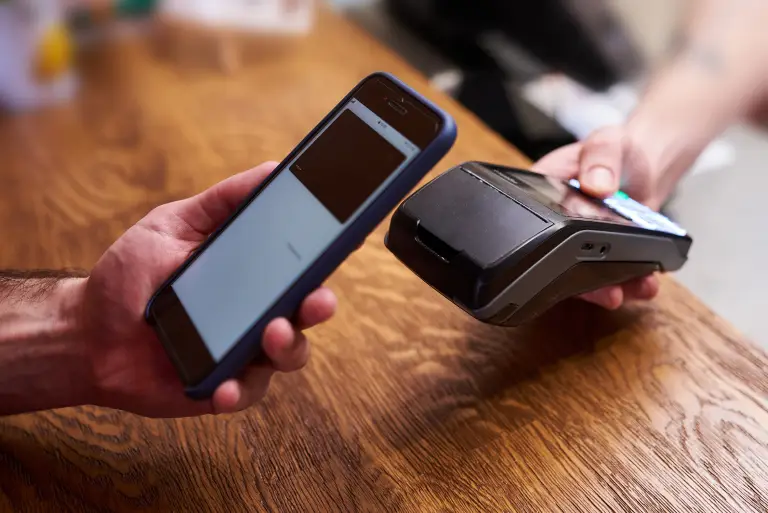
Simple Steps to Complete Your Payment Securely and Efficiently
Making a payment on our website is quick and secure. Start by logging in or creating an account. Select your preferred payment method, input the required details, and review the information. Once you confirm everything is correct, click on the "Submit Payment" button. You’ll receive instant confirmation and can track your payment status through your account dashboard. It’s an easy and secure process.
Go to the Payment Section: Access the payment area on our website or app.
Choose Your Payment Method: Select your preferred payment option.
Enter Payment Details: Provide the necessary payment information.
Verify Your Information: Check that all details are correct.
Confirm Your Payment: Click "Submit Payment" to complete the transaction.
In the digital age, privacy concerns have become increasingly paramount, prompting the European Union to enact the General Data Protection Regulation (GDPR) in 2018. Among its many provisions, GDPR sets strict guidelines for the collection and processing of personal data, including the use of cookies on websites. Privacy Policy