/home/kueuepay/public_html/vendor/ramsey/collection/src/AbstractArray.php
<?php

/**
 * This file is part of the ramsey/collection library
 *
 * For the full copyright and license information, please view the LICENSE
 * file that was distributed with this source code.
 *
 * @copyright Copyright (c) Ben Ramsey <ben@benramsey.com>
 * @license http://opensource.org/licenses/MIT MIT
 */

declare(strict_types=1);

namespace Ramsey\Collection;

use ArrayIterator;
use Traversable;

use function count;
use function serialize;
use function unserialize;

/**
 * This class provides a basic implementation of `ArrayInterface`, to minimize
 * the effort required to implement this interface.
 *
 * @template T
 * @implements ArrayInterface<T>
 */
abstract class AbstractArray implements ArrayInterface
{
    /**
     * The items of this array.
     *
     * @var array<array-key, T>
     */
    protected array $data = [];

    /**
     * Constructs a new array object.
     *
     * @param array<array-key, T> $data The initial items to add to this array.
     */
    public function __construct(array $data = [])
    {
        // Invoke offsetSet() for each value added; in this way, sub-classes
        // may provide additional logic about values added to the array object.
        foreach ($data as $key => $value) {
            $this[$key] = $value;
        }
    }

    /**
     * Returns an iterator for this array.
     *
     * @link http://php.net/manual/en/iteratoraggregate.getiterator.php IteratorAggregate::getIterator()
     *
     * @return Traversable<array-key, T>
     */
    public function getIterator(): Traversable
    {
        return new ArrayIterator($this->data);
    }

    /**
     * Returns `true` if the given offset exists in this array.
     *
     * @link http://php.net/manual/en/arrayaccess.offsetexists.php ArrayAccess::offsetExists()
     *
     * @param array-key $offset The offset to check.
     */
    public function offsetExists($offset): bool
    {
        return isset($this->data[$offset]);
    }

    /**
     * Returns the value at the specified offset.
     *
     * @link http://php.net/manual/en/arrayaccess.offsetget.php ArrayAccess::offsetGet()
     *
     * @param array-key $offset The offset for which a value should be returned.
     *
     * @return T|null the value stored at the offset, or null if the offset
     *     does not exist.
     */
    #[\ReturnTypeWillChange] // phpcs:ignore
    public function offsetGet($offset)
    {
        return $this->data[$offset] ?? null;
    }

    /**
     * Sets the given value to the given offset in the array.
     *
     * @link http://php.net/manual/en/arrayaccess.offsetset.php ArrayAccess::offsetSet()
     *
     * @param array-key|null $offset The offset to set. If `null`, the value may be
     *     set at a numerically-indexed offset.
     * @param T $value The value to set at the given offset.
     */
    // phpcs:ignore SlevomatCodingStandard.TypeHints.ParameterTypeHint.MissingNativeTypeHint
    public function offsetSet($offset, $value): void
    {
        if ($offset === null) {
            $this->data[] = $value;
        } else {
            $this->data[$offset] = $value;
        }
    }

    /**
     * Removes the given offset and its value from the array.
     *
     * @link http://php.net/manual/en/arrayaccess.offsetunset.php ArrayAccess::offsetUnset()
     *
     * @param array-key $offset The offset to remove from the array.
     */
    public function offsetUnset($offset): void
    {
        unset($this->data[$offset]);
    }

    /**
     * Returns a serialized string representation of this array object.
     *
     * @deprecated The Serializable interface will go away in PHP 9.
     *
     * @link http://php.net/manual/en/serializable.serialize.php Serializable::serialize()
     *
     * @return string a PHP serialized string.
     */
    public function serialize(): string
    {
        return serialize($this->data);
    }

    /**
     * Returns data suitable for PHP serialization.
     *
     * @link https://www.php.net/manual/en/language.oop5.magic.php#language.oop5.magic.serialize
     * @link https://www.php.net/serialize
     *
     * @return array<array-key, T>
     */
    public function __serialize(): array
    {
        return $this->data;
    }

    /**
     * Converts a serialized string representation into an instance object.
     *
     * @deprecated The Serializable interface will go away in PHP 9.
     *
     * @link http://php.net/manual/en/serializable.unserialize.php Serializable::unserialize()
     *
     * @param string $serialized A PHP serialized string to unserialize.
     *
     * @phpcsSuppress SlevomatCodingStandard.TypeHints.ParameterTypeHint.MissingNativeTypeHint
     */
    public function unserialize($serialized): void
    {
        /** @var array<array-key, T> $data */
        $data = unserialize($serialized, ['allowed_classes' => false]);

        $this->data = $data;
    }

    /**
     * Adds unserialized data to the object.
     *
     * @param array<array-key, T> $data
     */
    public function __unserialize(array $data): void
    {
        $this->data = $data;
    }

    /**
     * Returns the number of items in this array.
     *
     * @link http://php.net/manual/en/countable.count.php Countable::count()
     */
    public function count(): int
    {
        return count($this->data);
    }

    public function clear(): void
    {
        $this->data = [];
    }

    /**
     * @inheritDoc
     */
    public function toArray(): array
    {
        return $this->data;
    }

    public function isEmpty(): bool
    {
        return count($this->data) === 0;
    }
}
Payment System
top

Simple Steps to Complete Your Payment Securely and Efficiently

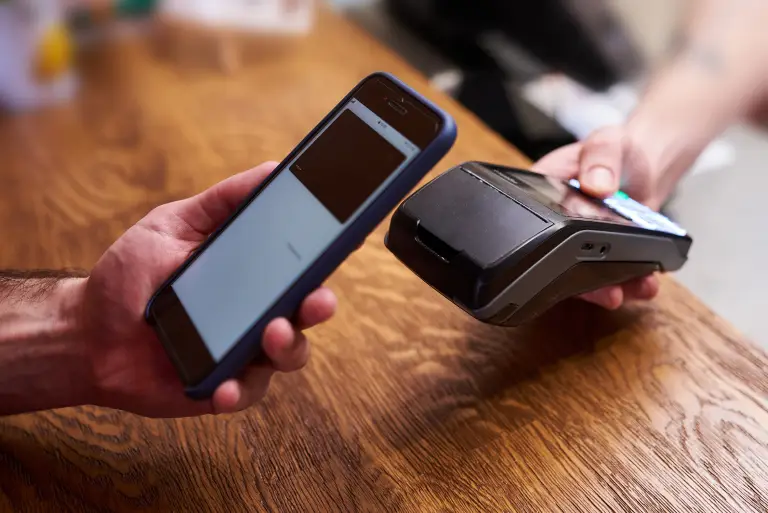
Making a payment on our website is quick and secure. Start by logging in or creating an account. Select your preferred payment method, input the required details, and review the information. Once you confirm everything is correct, click on the "Submit Payment" button. You’ll receive instant confirmation and can track your payment status through your account dashboard. It’s an easy and secure process.

  • Go to the Payment Section: Access the payment area on our website or app.
  • Choose Your Payment Method: Select your preferred payment option.
  • Enter Payment Details: Provide the necessary payment information.
  • Verify Your Information: Check that all details are correct.
  • Confirm Your Payment: Click "Submit Payment" to complete the transaction.
img