
/home/kueuepay/public_html/vendor/phpoffice/phpspreadsheet/src/PhpSpreadsheet/Worksheet/Row.php
<?php

namespace PhpOffice\PhpSpreadsheet\Worksheet;

class Row
{
    /**
     * \PhpOffice\PhpSpreadsheet\Worksheet\Worksheet.
     *
     * @var Worksheet
     */
    private $worksheet;

    /**
     * Row index.
     *
     * @var int
     */
    private $rowIndex = 0;

    /**
     * Create a new row.
     *
     * @param int $rowIndex
     */
    public function __construct(Worksheet $worksheet, $rowIndex = 1)
    {
        // Set parent and row index
        $this->worksheet = $worksheet;
        $this->rowIndex = $rowIndex;
    }

    /**
     * Destructor.
     */
    public function __destruct()
    {
        $this->worksheet = null; // @phpstan-ignore-line
    }

    /**
     * Get row index.
     */
    public function getRowIndex(): int
    {
        return $this->rowIndex;
    }

    /**
     * Get cell iterator.
     *
     * @param string $startColumn The column address at which to start iterating
     * @param string $endColumn Optionally, the column address at which to stop iterating
     */
    public function getCellIterator($startColumn = 'A', $endColumn = null): RowCellIterator
    {
        return new RowCellIterator($this->worksheet, $this->rowIndex, $startColumn, $endColumn);
    }

    /**
     * Get column iterator. Synonym for getCellIterator().
     *
     * @param string $startColumn The column address at which to start iterating
     * @param string $endColumn Optionally, the column address at which to stop iterating
     */
    public function getColumnIterator($startColumn = 'A', $endColumn = null): RowCellIterator
    {
        return $this->getCellIterator($startColumn, $endColumn);
    }

    /**
     * Returns a boolean true if the row contains no cells. By default, this means that no cell records exist in the
     *         collection for this row. false will be returned otherwise.
     *     This rule can be modified by passing a $definitionOfEmptyFlags value:
     *          1 - CellIterator::TREAT_NULL_VALUE_AS_EMPTY_CELL If the only cells in the collection are null value
     *                  cells, then the row will be considered empty.
     *          2 - CellIterator::TREAT_EMPTY_STRING_AS_EMPTY_CELL If the only cells in the collection are empty
     *                  string value cells, then the row will be considered empty.
     *          3 - CellIterator::TREAT_NULL_VALUE_AS_EMPTY_CELL | CellIterator::TREAT_EMPTY_STRING_AS_EMPTY_CELL
     *                  If the only cells in the collection are null value or empty string value cells, then the row
     *                  will be considered empty.
     *
     * @param int $definitionOfEmptyFlags
     *              Possible Flag Values are:
     *                  CellIterator::TREAT_NULL_VALUE_AS_EMPTY_CELL
     *                  CellIterator::TREAT_EMPTY_STRING_AS_EMPTY_CELL
     * @param string $startColumn The column address at which to start checking if cells are empty
     * @param string $endColumn Optionally, the column address at which to stop checking if cells are empty
     */
    public function isEmpty(int $definitionOfEmptyFlags = 0, $startColumn = 'A', $endColumn = null): bool
    {
        $nullValueCellIsEmpty = (bool) ($definitionOfEmptyFlags & CellIterator::TREAT_NULL_VALUE_AS_EMPTY_CELL);
        $emptyStringCellIsEmpty = (bool) ($definitionOfEmptyFlags & CellIterator::TREAT_EMPTY_STRING_AS_EMPTY_CELL);

        $cellIterator = $this->getCellIterator($startColumn, $endColumn);
        $cellIterator->setIterateOnlyExistingCells(true);
        foreach ($cellIterator as $cell) {
            /** @scrutinizer ignore-call */
            $value = $cell->getValue();
            if ($value === null && $nullValueCellIsEmpty === true) {
                continue;
            }
            if ($value === '' && $emptyStringCellIsEmpty === true) {
                continue;
            }

            return false;
        }

        return true;
    }

    /**
     * Returns bound worksheet.
     */
    public function getWorksheet(): Worksheet
    {
        return $this->worksheet;
    }
}
Payment System
top

Simple Steps to Complete Your Payment Securely and Efficiently

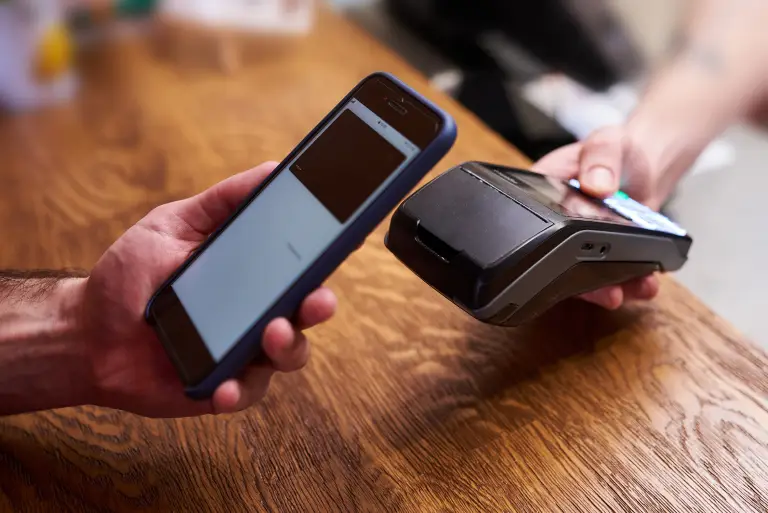
Making a payment on our website is quick and secure. Start by logging in or creating an account. Select your preferred payment method, input the required details, and review the information. Once you confirm everything is correct, click on the "Submit Payment" button. You’ll receive instant confirmation and can track your payment status through your account dashboard. It’s an easy and secure process.

  • Go to the Payment Section: Access the payment area on our website or app.
  • Choose Your Payment Method: Select your preferred payment option.
  • Enter Payment Details: Provide the necessary payment information.
  • Verify Your Information: Check that all details are correct.
  • Confirm Your Payment: Click "Submit Payment" to complete the transaction.
img