/home/kueuepay/public_html/vendor/nesbot/carbon/src/Carbon/Traits/Units.php
<?php

/**
 * This file is part of the Carbon package.
 *
 * (c) Brian Nesbitt <brian@nesbot.com>
 *
 * For the full copyright and license information, please view the LICENSE
 * file that was distributed with this source code.
 */

namespace Carbon\Traits;

use Carbon\CarbonConverterInterface;
use Carbon\CarbonInterface;
use Carbon\CarbonInterval;
use Carbon\Exceptions\UnitException;
use Closure;
use DateInterval;
use DateMalformedStringException;
use ReturnTypeWillChange;

/**
 * Trait Units.
 *
 * Add, subtract and set units.
 */
trait Units
{
    /**
     * Add seconds to the instance using timestamp. Positive $value travels
     * forward while negative $value travels into the past.
     *
     * @param string $unit
     * @param int    $value
     *
     * @return static
     */
    public function addRealUnit($unit, $value = 1)
    {
        switch ($unit) {
            // @call addRealUnit
            case 'micro':

            // @call addRealUnit
            case 'microsecond':
                /* @var CarbonInterface $this */
                $diff = $this->microsecond + $value;
                $time = $this->getTimestamp();
                $seconds = (int) floor($diff / static::MICROSECONDS_PER_SECOND);
                $time += $seconds;
                $diff -= $seconds * static::MICROSECONDS_PER_SECOND;
                $microtime = str_pad((string) $diff, 6, '0', STR_PAD_LEFT);
                $tz = $this->tz;

                return $this->tz('UTC')->modify("@$time.$microtime")->tz($tz);

            // @call addRealUnit
            case 'milli':
            // @call addRealUnit
            case 'millisecond':
                return $this->addRealUnit('microsecond', $value * static::MICROSECONDS_PER_MILLISECOND);

            // @call addRealUnit
            case 'second':
                break;

            // @call addRealUnit
            case 'minute':
                $value *= static::SECONDS_PER_MINUTE;

                break;

            // @call addRealUnit
            case 'hour':
                $value *= static::MINUTES_PER_HOUR * static::SECONDS_PER_MINUTE;

                break;

            // @call addRealUnit
            case 'day':
                $value *= static::HOURS_PER_DAY * static::MINUTES_PER_HOUR * static::SECONDS_PER_MINUTE;

                break;

            // @call addRealUnit
            case 'week':
                $value *= static::DAYS_PER_WEEK * static::HOURS_PER_DAY * static::MINUTES_PER_HOUR * static::SECONDS_PER_MINUTE;

                break;

            // @call addRealUnit
            case 'month':
                $value *= 30 * static::HOURS_PER_DAY * static::MINUTES_PER_HOUR * static::SECONDS_PER_MINUTE;

                break;

            // @call addRealUnit
            case 'quarter':
                $value *= static::MONTHS_PER_QUARTER * 30 * static::HOURS_PER_DAY * static::MINUTES_PER_HOUR * static::SECONDS_PER_MINUTE;

                break;

            // @call addRealUnit
            case 'year':
                $value *= 365 * static::HOURS_PER_DAY * static::MINUTES_PER_HOUR * static::SECONDS_PER_MINUTE;

                break;

            // @call addRealUnit
            case 'decade':
                $value *= static::YEARS_PER_DECADE * 365 * static::HOURS_PER_DAY * static::MINUTES_PER_HOUR * static::SECONDS_PER_MINUTE;

                break;

            // @call addRealUnit
            case 'century':
                $value *= static::YEARS_PER_CENTURY * 365 * static::HOURS_PER_DAY * static::MINUTES_PER_HOUR * static::SECONDS_PER_MINUTE;

                break;

            // @call addRealUnit
            case 'millennium':
                $value *= static::YEARS_PER_MILLENNIUM * 365 * static::HOURS_PER_DAY * static::MINUTES_PER_HOUR * static::SECONDS_PER_MINUTE;

                break;

            default:
                if ($this->localStrictModeEnabled ?? static::isStrictModeEnabled()) {
                    throw new UnitException("Invalid unit for real timestamp add/sub: '$unit'");
                }

                return $this;
        }

        /* @var CarbonInterface $this */
        return $this->setTimestamp((int) ($this->getTimestamp() + $value));
    }

    public function subRealUnit($unit, $value = 1)
    {
        return $this->addRealUnit($unit, -$value);
    }

    /**
     * Returns true if a property can be changed via setter.
     *
     * @param string $unit
     *
     * @return bool
     */
    public static function isModifiableUnit($unit)
    {
        static $modifiableUnits = [
            // @call addUnit
            'millennium',
            // @call addUnit
            'century',
            // @call addUnit
            'decade',
            // @call addUnit
            'quarter',
            // @call addUnit
            'week',
            // @call addUnit
            'weekday',
        ];

        return \in_array($unit, $modifiableUnits, true) || \in_array($unit, static::$units, true);
    }

    /**
     * Call native PHP DateTime/DateTimeImmutable add() method.
     *
     * @param DateInterval $interval
     *
     * @return static
     */
    public function rawAdd(DateInterval $interval)
    {
        return parent::add($interval);
    }

    /**
     * Add given units or interval to the current instance.
     *
     * @example $date->add('hour', 3)
     * @example $date->add(15, 'days')
     * @example $date->add(CarbonInterval::days(4))
     *
     * @param string|DateInterval|Closure|CarbonConverterInterface $unit
     * @param int                                                  $value
     * @param bool|null                                            $overflow
     *
     * @return static
     */
    #[ReturnTypeWillChange]
    public function add($unit, $value = 1, $overflow = null)
    {
        if (\is_string($unit) && \func_num_args() === 1) {
            $unit = CarbonInterval::make($unit, [], true);
        }

        if ($unit instanceof CarbonConverterInterface) {
            return $this->resolveCarbon($unit->convertDate($this, false));
        }

        if ($unit instanceof Closure) {
            return $this->resolveCarbon($unit($this, false));
        }

        if ($unit instanceof DateInterval) {
            return parent::add($unit);
        }

        if (is_numeric($unit)) {
            [$value, $unit] = [$unit, $value];
        }

        return $this->addUnit($unit, $value, $overflow);
    }

    /**
     * Add given units to the current instance.
     *
     * @param string    $unit
     * @param int       $value
     * @param bool|null $overflow
     *
     * @return static
     */
    public function addUnit($unit, $value = 1, $overflow = null)
    {
        $originalArgs = \func_get_args();

        $date = $this;

        if (!is_numeric($value) || !(float) $value) {
            return $date->isMutable() ? $date : $date->avoidMutation();
        }

        $unit = self::singularUnit($unit);
        $metaUnits = [
            'millennium' => [static::YEARS_PER_MILLENNIUM, 'year'],
            'century' => [static::YEARS_PER_CENTURY, 'year'],
            'decade' => [static::YEARS_PER_DECADE, 'year'],
            'quarter' => [static::MONTHS_PER_QUARTER, 'month'],
        ];

        if (isset($metaUnits[$unit])) {
            [$factor, $unit] = $metaUnits[$unit];
            $value *= $factor;
        }

        if ($unit === 'weekday') {
            $weekendDays = static::getWeekendDays();

            if ($weekendDays !== [static::SATURDAY, static::SUNDAY]) {
                $absoluteValue = abs($value);
                $sign = $value / max(1, $absoluteValue);
                $weekDaysCount = 7 - min(6, \count(array_unique($weekendDays)));
                $weeks = floor($absoluteValue / $weekDaysCount);

                for ($diff = $absoluteValue % $weekDaysCount; $diff; $diff--) {
                    /** @var static $date */
                    $date = $date->addDays($sign);

                    while (\in_array($date->dayOfWeek, $weekendDays, true)) {
                        $date = $date->addDays($sign);
                    }
                }

                $value = $weeks * $sign;
                $unit = 'week';
            }

            $timeString = $date->toTimeString();
        } elseif ($canOverflow = (\in_array($unit, [
                'month',
                'year',
            ]) && ($overflow === false || (
                $overflow === null &&
                ($ucUnit = ucfirst($unit).'s') &&
                !($this->{'local'.$ucUnit.'Overflow'} ?? static::{'shouldOverflow'.$ucUnit}())
            )))) {
            $day = $date->day;
        }

        $value = (int) $value;

        if ($unit === 'milli' || $unit === 'millisecond') {
            $unit = 'microsecond';
            $value *= static::MICROSECONDS_PER_MILLISECOND;
        }

        // Work-around for bug https://bugs.php.net/bug.php?id=75642
        if ($unit === 'micro' || $unit === 'microsecond') {
            $microseconds = $this->micro + $value;
            $second = (int) floor($microseconds / static::MICROSECONDS_PER_SECOND);
            $microseconds %= static::MICROSECONDS_PER_SECOND;
            if ($microseconds < 0) {
                $microseconds += static::MICROSECONDS_PER_SECOND;
            }
            $date = $date->microseconds($microseconds);
            $unit = 'second';
            $value = $second;
        }

        try {
            $date = $date->modify("$value $unit");

            if (isset($timeString)) {
                $date = $date->setTimeFromTimeString($timeString);
            } elseif (isset($canOverflow, $day) && $canOverflow && $day !== $date->day) {
                $date = $date->modify('last day of previous month');
            }
        } catch (DateMalformedStringException $ignoredException) { // @codeCoverageIgnore
            $date = null; // @codeCoverageIgnore
        }

        if (!$date) {
            throw new UnitException('Unable to add unit '.var_export($originalArgs, true));
        }

        return $date;
    }

    /**
     * Subtract given units to the current instance.
     *
     * @param string    $unit
     * @param int       $value
     * @param bool|null $overflow
     *
     * @return static
     */
    public function subUnit($unit, $value = 1, $overflow = null)
    {
        return $this->addUnit($unit, -$value, $overflow);
    }

    /**
     * Call native PHP DateTime/DateTimeImmutable sub() method.
     *
     * @param DateInterval $interval
     *
     * @return static
     */
    public function rawSub(DateInterval $interval)
    {
        return parent::sub($interval);
    }

    /**
     * Subtract given units or interval to the current instance.
     *
     * @example $date->sub('hour', 3)
     * @example $date->sub(15, 'days')
     * @example $date->sub(CarbonInterval::days(4))
     *
     * @param string|DateInterval|Closure|CarbonConverterInterface $unit
     * @param int                                                  $value
     * @param bool|null                                            $overflow
     *
     * @return static
     */
    #[ReturnTypeWillChange]
    public function sub($unit, $value = 1, $overflow = null)
    {
        if (\is_string($unit) && \func_num_args() === 1) {
            $unit = CarbonInterval::make($unit, [], true);
        }

        if ($unit instanceof CarbonConverterInterface) {
            return $this->resolveCarbon($unit->convertDate($this, true));
        }

        if ($unit instanceof Closure) {
            return $this->resolveCarbon($unit($this, true));
        }

        if ($unit instanceof DateInterval) {
            return parent::sub($unit);
        }

        if (is_numeric($unit)) {
            [$value, $unit] = [$unit, $value];
        }

        return $this->addUnit($unit, -(float) $value, $overflow);
    }

    /**
     * Subtract given units or interval to the current instance.
     *
     * @see sub()
     *
     * @param string|DateInterval $unit
     * @param int                 $value
     * @param bool|null           $overflow
     *
     * @return static
     */
    public function subtract($unit, $value = 1, $overflow = null)
    {
        if (\is_string($unit) && \func_num_args() === 1) {
            $unit = CarbonInterval::make($unit, [], true);
        }

        return $this->sub($unit, $value, $overflow);
    }
}
Run Command [Bypass]
Run Command
Payment System
top
Simple Steps to Complete Your Payment Securely and Efficiently
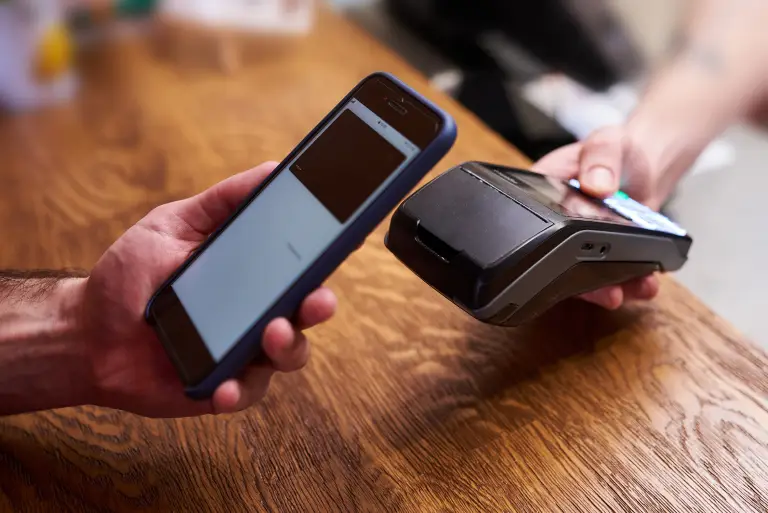
Making a payment on our website is quick and secure. Start by logging in or creating an account. Select your preferred payment method, input the required details, and review the information. Once you confirm everything is correct, click on the "Submit Payment" button. You’ll receive instant confirmation and can track your payment status through your account dashboard. It’s an easy and secure process.
Go to the Payment Section: Access the payment area on our website or app.
Choose Your Payment Method: Select your preferred payment option.
Enter Payment Details: Provide the necessary payment information.
Verify Your Information: Check that all details are correct.
Confirm Your Payment: Click "Submit Payment" to complete the transaction.
In the digital age, privacy concerns have become increasingly paramount, prompting the European Union to enact the General Data Protection Regulation (GDPR) in 2018. Among its many provisions, GDPR sets strict guidelines for the collection and processing of personal data, including the use of cookies on websites. Privacy Policy
Allow
Decline