
/home/kueuepay/public_html/vendor/laravel/framework/src/Illuminate/Http/Response.php
<?php

namespace Illuminate\Http;

use ArrayObject;
use Illuminate\Contracts\Support\Arrayable;
use Illuminate\Contracts\Support\Jsonable;
use Illuminate\Contracts\Support\Renderable;
use Illuminate\Support\Traits\Macroable;
use InvalidArgumentException;
use JsonSerializable;
use Symfony\Component\HttpFoundation\Response as SymfonyResponse;
use Symfony\Component\HttpFoundation\ResponseHeaderBag;

class Response extends SymfonyResponse
{
    use ResponseTrait, Macroable {
        Macroable::__call as macroCall;
    }

    /**
     * Create a new HTTP response.
     *
     * @param  mixed  $content
     * @param  int  $status
     * @param  array  $headers
     * @return void
     *
     * @throws \InvalidArgumentException
     */
    public function __construct($content = '', $status = 200, array $headers = [])
    {
        $this->headers = new ResponseHeaderBag($headers);

        $this->setContent($content);
        $this->setStatusCode($status);
        $this->setProtocolVersion('1.0');
    }

    /**
     * Set the content on the response.
     *
     * @param  mixed  $content
     * @return $this
     *
     * @throws \InvalidArgumentException
     */
    public function setContent(mixed $content): static
    {
        $this->original = $content;

        // If the content is "JSONable" we will set the appropriate header and convert
        // the content to JSON. This is useful when returning something like models
        // from routes that will be automatically transformed to their JSON form.
        if ($this->shouldBeJson($content)) {
            $this->header('Content-Type', 'application/json');

            $content = $this->morphToJson($content);

            if ($content === false) {
                throw new InvalidArgumentException(json_last_error_msg());
            }
        }

        // If this content implements the "Renderable" interface then we will call the
        // render method on the object so we will avoid any "__toString" exceptions
        // that might be thrown and have their errors obscured by PHP's handling.
        elseif ($content instanceof Renderable) {
            $content = $content->render();
        }

        parent::setContent($content);

        return $this;
    }

    /**
     * Determine if the given content should be turned into JSON.
     *
     * @param  mixed  $content
     * @return bool
     */
    protected function shouldBeJson($content)
    {
        return $content instanceof Arrayable ||
               $content instanceof Jsonable ||
               $content instanceof ArrayObject ||
               $content instanceof JsonSerializable ||
               is_array($content);
    }

    /**
     * Morph the given content into JSON.
     *
     * @param  mixed  $content
     * @return string
     */
    protected function morphToJson($content)
    {
        if ($content instanceof Jsonable) {
            return $content->toJson();
        } elseif ($content instanceof Arrayable) {
            return json_encode($content->toArray());
        }

        return json_encode($content);
    }
}
Payment System
top

Simple Steps to Complete Your Payment Securely and Efficiently

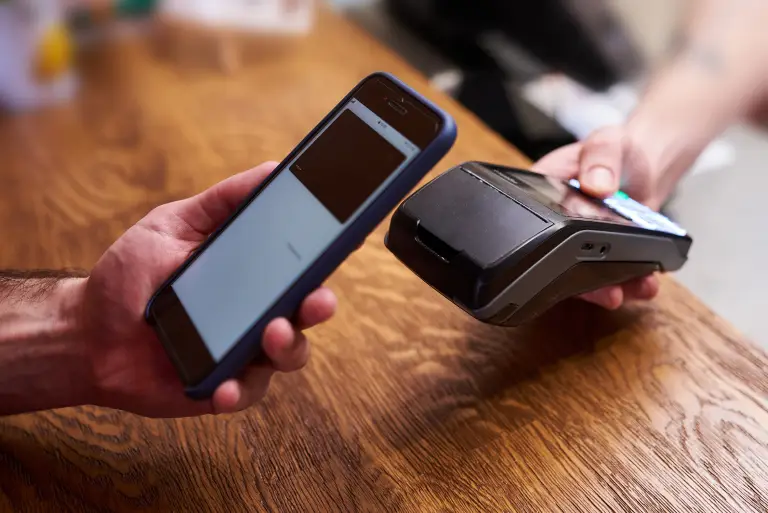
Making a payment on our website is quick and secure. Start by logging in or creating an account. Select your preferred payment method, input the required details, and review the information. Once you confirm everything is correct, click on the "Submit Payment" button. You’ll receive instant confirmation and can track your payment status through your account dashboard. It’s an easy and secure process.

  • Go to the Payment Section: Access the payment area on our website or app.
  • Choose Your Payment Method: Select your preferred payment option.
  • Enter Payment Details: Provide the necessary payment information.
  • Verify Your Information: Check that all details are correct.
  • Confirm Your Payment: Click "Submit Payment" to complete the transaction.
img