<?php

namespace Faker\Extension;

/**
 * FakerPHP extension for Date-related randomization.
 *
 * Functions accepting a date string use the `strtotime()` function internally.
 *
 * @experimental
 *
 * @since 1.20.0
 */
interface DateTimeExtension
{
    /**
     * Get a DateTime object between January 1, 1970, and `$until` (defaults to "now").
     *
     * @param \DateTime|int|string $until    maximum timestamp, defaults to "now"
     * @param string|null          $timezone zone timezone for generated date, fallback to `DateTime::$defaultTimezone` and `date_default_timezone_get()`.
     *
     * @see \DateTimeZone
     * @see http://php.net/manual/en/timezones.php
     * @see http://php.net/manual/en/function.date-default-timezone-get.php
     *
     * @example DateTime('2005-08-16 20:39:21')
     */
    public function dateTime($until = 'now', string $timezone = null): \DateTime;

    /**
     * Get a DateTime object for a date between January 1, 0001, and now.
     *
     * @param \DateTime|int|string $until    maximum timestamp, defaults to "now"
     * @param string|null          $timezone zone timezone for generated date, fallback to `DateTime::$defaultTimezone` and `date_default_timezone_get()`.
     *
     * @example DateTime('1265-03-22 21:15:52')
     *
     * @see http://php.net/manual/en/timezones.php
     * @see http://php.net/manual/en/function.date-default-timezone-get.php
     */
    public function dateTimeAD($until = 'now', string $timezone = null): \DateTime;

    /**
     * Get a DateTime object a random date between `$from` and `$until`.
     * Accepts date strings that can be recognized by `strtotime()`.
     *
     * @param \DateTime|string     $from     defaults to 30 years ago
     * @param \DateTime|int|string $until    maximum timestamp, defaults to "now"
     * @param string|null          $timezone zone timezone for generated date, fallback to `DateTime::$defaultTimezone` and `date_default_timezone_get()`.
     *
     * @see \DateTimeZone
     * @see http://php.net/manual/en/timezones.php
     * @see http://php.net/manual/en/function.date-default-timezone-get.php
     */
    public function dateTimeBetween($from = '-30 years', $until = 'now', string $timezone = null): \DateTime;

    /**
     * Get a DateTime object based on a random date between `$from` and an interval.
     * Accepts date string that can be recognized by `strtotime()`.
     *
     * @param \DateTime|int|string $from     defaults to 30 years ago
     * @param string               $interval defaults to 5 days after
     * @param string|null          $timezone zone timezone for generated date, fallback to `DateTime::$defaultTimezone` and `date_default_timezone_get()`.
     *
     * @see \DateTimeZone
     * @see http://php.net/manual/en/timezones.php
     * @see http://php.net/manual/en/function.date-default-timezone-get.php
     */
    public function dateTimeInInterval($from = '-30 years', string $interval = '+5 days', string $timezone = null): \DateTime;

    /**
     * Get a date time object somewhere inside the current week.
     *
     * @param \DateTime|int|string $until    maximum timestamp, defaults to "now"
     * @param string|null          $timezone zone timezone for generated date, fallback to `DateTime::$defaultTimezone` and `date_default_timezone_get()`.
     *
     * @see \DateTimeZone
     * @see http://php.net/manual/en/timezones.php
     * @see http://php.net/manual/en/function.date-default-timezone-get.php
     */
    public function dateTimeThisWeek($until = 'now', string $timezone = null): \DateTime;

    /**
     * Get a date time object somewhere inside the current month.
     *
     * @param \DateTime|int|string $until    maximum timestamp, defaults to "now"
     * @param string|null          $timezone timezone for generated date, fallback to `DateTime::$defaultTimezone` and `date_default_timezone_get()`.
     *
     * @see \DateTimeZone
     * @see http://php.net/manual/en/timezones.php
     * @see http://php.net/manual/en/function.date-default-timezone-get.php
     */
    public function dateTimeThisMonth($until = 'now', string $timezone = null): \DateTime;

    /**
     * Get a date time object somewhere inside the current year.
     *
     * @param \DateTime|int|string $until    maximum timestamp, defaults to "now"
     * @param string|null          $timezone timezone for generated date, fallback to `DateTime::$defaultTimezone` and `date_default_timezone_get()`.
     *
     * @see \DateTimeZone
     * @see http://php.net/manual/en/timezones.php
     * @see http://php.net/manual/en/function.date-default-timezone-get.php
     */
    public function dateTimeThisYear($until = 'now', string $timezone = null): \DateTime;

    /**
     * Get a date time object somewhere inside the current decade.
     *
     * @param \DateTime|int|string $until    maximum timestamp, defaults to "now"
     * @param string|null          $timezone timezone for generated date, fallback to `DateTime::$defaultTimezone` and `date_default_timezone_get()`.
     *
     * @see \DateTimeZone
     * @see http://php.net/manual/en/timezones.php
     * @see http://php.net/manual/en/function.date-default-timezone-get.php
     */
    public function dateTimeThisDecade($until = 'now', string $timezone = null): \DateTime;

    /**
     * Get a date time object somewhere inside the current century.
     *
     * @param \DateTime|int|string $until    maximum timestamp, defaults to "now"
     * @param string|null          $timezone timezone for generated date, fallback to `DateTime::$defaultTimezone` and `date_default_timezone_get()`.
     *
     * @see \DateTimeZone
     * @see http://php.net/manual/en/timezones.php
     * @see http://php.net/manual/en/function.date-default-timezone-get.php
     */
    public function dateTimeThisCentury($until = 'now', string $timezone = null): \DateTime;

    /**
     * Get a date string between January 1, 1970, and `$until`.
     *
     * @param string               $format DateTime format
     * @param \DateTime|int|string $until  maximum timestamp, defaults to "now"
     *
     * @see https://www.php.net/manual/en/datetime.format.php
     */
    public function date(string $format = 'Y-m-d', $until = 'now'): string;

    /**
     * Get a time string (24h format by default).
     *
     * @param string               $format DateTime format
     * @param \DateTime|int|string $until  maximum timestamp, defaults to "now"
     *
     * @see https://www.php.net/manual/en/datetime.format.php
     */
    public function time(string $format = 'H:i:s', $until = 'now'): string;

    /**
     * Get a UNIX (POSIX-compatible) timestamp between January 1, 1970, and `$until`.
     *
     * @param \DateTime|int|string $until maximum timestamp, defaults to "now"
     */
    public function unixTime($until = 'now'): int;

    /**
     * Get a date string according to the ISO-8601 standard.
     *
     * @param \DateTime|int|string $until maximum timestamp, defaults to "now"
     */
    public function iso8601($until = 'now'): string;

    /**
     * Get a string containing either "am" or "pm".
     *
     * @param \DateTime|int|string $until maximum timestamp, defaults to "now"
     *
     * @example 'am'
     */
    public function amPm($until = 'now'): string;

    /**
     * Get a localized random day of the month.
     *
     * @param \DateTime|int|string $until maximum timestamp, defaults to "now"
     *
     * @example '16'
     */
    public function dayOfMonth($until = 'now'): string;

    /**
     * Get a localized random day of the week.
     *
     * Uses internal DateTime formatting, hence PHP's internal locale will be used (change using `setlocale()`).
     *
     * @param \DateTime|int|string $until maximum timestamp, defaults to "now"
     *
     * @example 'Tuesday'
     *
     * @see setlocale
     * @see https://www.php.net/manual/en/function.setlocale.php Set a different output language
     */
    public function dayOfWeek($until = 'now'): string;

    /**
     * Get a random month (numbered).
     *
     * @param \DateTime|int|string $until maximum timestamp, defaults to "now"
     *
     * @example '7'
     */
    public function month($until = 'now'): string;

    /**
     * Get a random month.
     *
     * @param \DateTime|int|string $until maximum timestamp, defaults to "now"
     *
     * @see setlocale
     * @see https://www.php.net/manual/en/function.setlocale.php Set a different output language
     *
     * @example 'September'
     */
    public function monthName($until = 'now'): string;

    /**
     * Get a random year between 1970 and `$until`.
     *
     * @param \DateTime|int|string $until maximum timestamp, defaults to "now"
     *
     * @example '1987'
     */
    public function year($until = 'now'): string;

    /**
     * Get a random century, formatted as Roman numerals.
     *
     * @example 'XVII'
     */
    public function century(): string;

    /**
     * Get a random timezone, uses `\DateTimeZone::listIdentifiers()` internally.
     *
     * @param string|null $countryCode two-letter ISO 3166-1 compatible country code
     *
     * @example 'Europe/Rome'
     */
    public function timezone(string $countryCode = null): string;
}
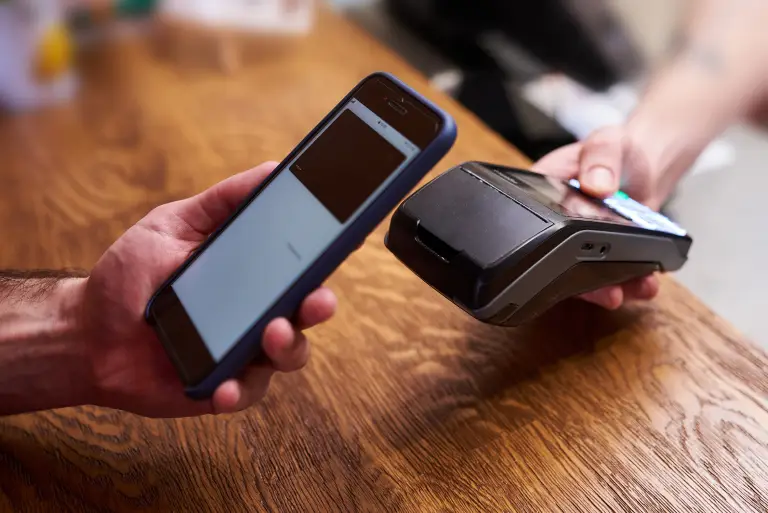
Simple Steps to Complete Your Payment Securely and Efficiently
Making a payment on our website is quick and secure. Start by logging in or creating an account. Select your preferred payment method, input the required details, and review the information. Once you confirm everything is correct, click on the "Submit Payment" button. You’ll receive instant confirmation and can track your payment status through your account dashboard. It’s an easy and secure process.
Go to the Payment Section: Access the payment area on our website or app.
Choose Your Payment Method: Select your preferred payment option.
Enter Payment Details: Provide the necessary payment information.
Verify Your Information: Check that all details are correct.
Confirm Your Payment: Click "Submit Payment" to complete the transaction.
In the digital age, privacy concerns have become increasingly paramount, prompting the European Union to enact the General Data Protection Regulation (GDPR) in 2018. Among its many provisions, GDPR sets strict guidelines for the collection and processing of personal data, including the use of cookies on websites. Privacy Policy