
/home/kueuepay/public_html/vendor/ezyang/htmlpurifier/library/HTMLPurifier/Language.php
<?php

/**
 * Represents a language and defines localizable string formatting and
 * other functions, as well as the localized messages for HTML Purifier.
 */
class HTMLPurifier_Language
{

    /**
     * ISO 639 language code of language. Prefers shortest possible version.
     * @type string
     */
    public $code = 'en';

    /**
     * Fallback language code.
     * @type bool|string
     */
    public $fallback = false;

    /**
     * Array of localizable messages.
     * @type array
     */
    public $messages = array();

    /**
     * Array of localizable error codes.
     * @type array
     */
    public $errorNames = array();

    /**
     * True if no message file was found for this language, so English
     * is being used instead. Check this if you'd like to notify the
     * user that they've used a non-supported language.
     * @type bool
     */
    public $error = false;

    /**
     * Has the language object been loaded yet?
     * @type bool
     * @todo Make it private, fix usage in HTMLPurifier_LanguageTest
     */
    public $_loaded = false;

    /**
     * @type HTMLPurifier_Config
     */
    protected $config;

    /**
     * @type HTMLPurifier_Context
     */
    protected $context;

    /**
     * @param HTMLPurifier_Config $config
     * @param HTMLPurifier_Context $context
     */
    public function __construct($config, $context)
    {
        $this->config  = $config;
        $this->context = $context;
    }

    /**
     * Loads language object with necessary info from factory cache
     * @note This is a lazy loader
     */
    public function load()
    {
        if ($this->_loaded) {
            return;
        }
        $factory = HTMLPurifier_LanguageFactory::instance();
        $factory->loadLanguage($this->code);
        foreach ($factory->keys as $key) {
            $this->$key = $factory->cache[$this->code][$key];
        }
        $this->_loaded = true;
    }

    /**
     * Retrieves a localised message.
     * @param string $key string identifier of message
     * @return string localised message
     */
    public function getMessage($key)
    {
        if (!$this->_loaded) {
            $this->load();
        }
        if (!isset($this->messages[$key])) {
            return "[$key]";
        }
        return $this->messages[$key];
    }

    /**
     * Retrieves a localised error name.
     * @param int $int error number, corresponding to PHP's error reporting
     * @return string localised message
     */
    public function getErrorName($int)
    {
        if (!$this->_loaded) {
            $this->load();
        }
        if (!isset($this->errorNames[$int])) {
            return "[Error: $int]";
        }
        return $this->errorNames[$int];
    }

    /**
     * Converts an array list into a string readable representation
     * @param array $array
     * @return string
     */
    public function listify($array)
    {
        $sep      = $this->getMessage('Item separator');
        $sep_last = $this->getMessage('Item separator last');
        $ret = '';
        for ($i = 0, $c = count($array); $i < $c; $i++) {
            if ($i == 0) {
            } elseif ($i + 1 < $c) {
                $ret .= $sep;
            } else {
                $ret .= $sep_last;
            }
            $ret .= $array[$i];
        }
        return $ret;
    }

    /**
     * Formats a localised message with passed parameters
     * @param string $key string identifier of message
     * @param array $args Parameters to substitute in
     * @return string localised message
     * @todo Implement conditionals? Right now, some messages make
     *     reference to line numbers, but those aren't always available
     */
    public function formatMessage($key, $args = array())
    {
        if (!$this->_loaded) {
            $this->load();
        }
        if (!isset($this->messages[$key])) {
            return "[$key]";
        }
        $raw = $this->messages[$key];
        $subst = array();
        $generator = false;
        foreach ($args as $i => $value) {
            if (is_object($value)) {
                if ($value instanceof HTMLPurifier_Token) {
                    // factor this out some time
                    if (!$generator) {
                        $generator = $this->context->get('Generator');
                    }
                    if (isset($value->name)) {
                        $subst['$'.$i.'.Name'] = $value->name;
                    }
                    if (isset($value->data)) {
                        $subst['$'.$i.'.Data'] = $value->data;
                    }
                    $subst['$'.$i.'.Compact'] =
                    $subst['$'.$i.'.Serialized'] = $generator->generateFromToken($value);
                    // a more complex algorithm for compact representation
                    // could be introduced for all types of tokens. This
                    // may need to be factored out into a dedicated class
                    if (!empty($value->attr)) {
                        $stripped_token = clone $value;
                        $stripped_token->attr = array();
                        $subst['$'.$i.'.Compact'] = $generator->generateFromToken($stripped_token);
                    }
                    $subst['$'.$i.'.Line'] = $value->line ? $value->line : 'unknown';
                }
                continue;
            } elseif (is_array($value)) {
                $keys = array_keys($value);
                if (array_keys($keys) === $keys) {
                    // list
                    $subst['$'.$i] = $this->listify($value);
                } else {
                    // associative array
                    // no $i implementation yet, sorry
                    $subst['$'.$i.'.Keys'] = $this->listify($keys);
                    $subst['$'.$i.'.Values'] = $this->listify(array_values($value));
                }
                continue;
            }
            $subst['$' . $i] = $value;
        }
        return strtr($raw, $subst);
    }
}

// vim: et sw=4 sts=4
Payment System
top

Simple Steps to Complete Your Payment Securely and Efficiently

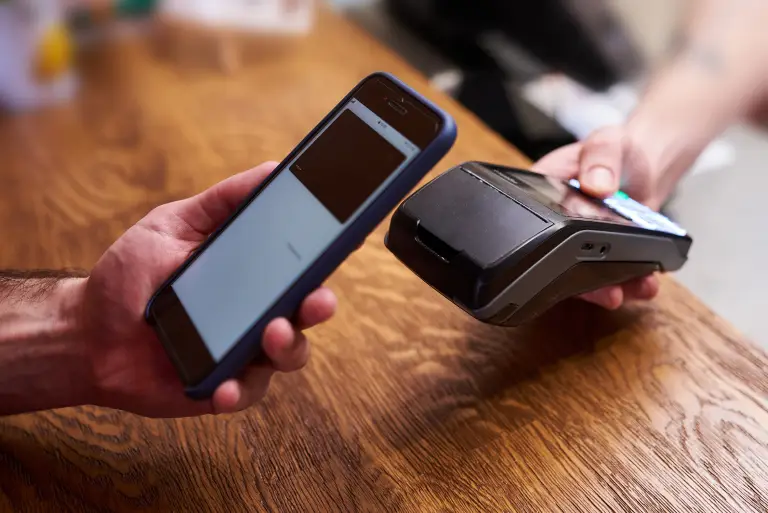
Making a payment on our website is quick and secure. Start by logging in or creating an account. Select your preferred payment method, input the required details, and review the information. Once you confirm everything is correct, click on the "Submit Payment" button. You’ll receive instant confirmation and can track your payment status through your account dashboard. It’s an easy and secure process.

  • Go to the Payment Section: Access the payment area on our website or app.
  • Choose Your Payment Method: Select your preferred payment option.
  • Enter Payment Details: Provide the necessary payment information.
  • Verify Your Information: Check that all details are correct.
  • Confirm Your Payment: Click "Submit Payment" to complete the transaction.
img