/home/kueuepay/public_html/vendor/barryvdh/laravel-debugbar/src/DataCollector/RequestCollector.php
<?php

namespace Barryvdh\Debugbar\DataCollector;

use DebugBar\DataCollector\DataCollector;
use DebugBar\DataCollector\DataCollectorInterface;
use DebugBar\DataCollector\Renderable;
use Illuminate\Support\Arr;
use Illuminate\Support\Str;
use Laravel\Telescope\IncomingEntry;
use Laravel\Telescope\Telescope;
use Symfony\Component\HttpFoundation\Response;

/**
 *
 * Based on \Symfony\Component\HttpKernel\DataCollector\RequestDataCollector by Fabien Potencier <fabien@symfony.com>
 *
 */
class RequestCollector extends DataCollector implements DataCollectorInterface, Renderable
{
    /** @var \Symfony\Component\HttpFoundation\Request $request */
    protected $request;
    /** @var  \Symfony\Component\HttpFoundation\Request $response */
    protected $response;
    /** @var  \Symfony\Component\HttpFoundation\Session\SessionInterface $session */
    protected $session;
    /** @var string|null */
    protected $currentRequestId;
    /** @var array */
    protected $hiddens;

    /**
     * Create a new SymfonyRequestCollector
     *
     * @param \Symfony\Component\HttpFoundation\Request $request
     * @param \Symfony\Component\HttpFoundation\Response $response
     * @param \Symfony\Component\HttpFoundation\Session\SessionInterface $session
     * @param string|null $currentRequestId
     * @param array $hiddens
     */
    public function __construct($request, $response, $session = null, $currentRequestId = null, $hiddens = [])
    {
        $this->request = $request;
        $this->response = $response;
        $this->session = $session;
        $this->currentRequestId = $currentRequestId;
        $this->hiddens = array_merge($hiddens, [
            'request_request.password',
            'request_headers.php-auth-pw.0',
        ]);
    }

    /**
     * {@inheritDoc}
     */
    public function getName()
    {
        return 'request';
    }

    /**
     * {@inheritDoc}
     */
    public function getWidgets()
    {
        return [
            "request" => [
                "icon" => "tags",
                "widget" => "PhpDebugBar.Widgets.HtmlVariableListWidget",
                "map" => "request",
                "default" => "{}"
            ]
        ];
    }

    /**
     * {@inheritdoc}
     */
    public function collect()
    {
        $request = $this->request;
        $response = $this->response;

        $responseHeaders = $response->headers->all();
        $cookies = [];
        foreach ($response->headers->getCookies() as $cookie) {
            $cookies[] = $this->getCookieHeader(
                $cookie->getName(),
                $cookie->getValue(),
                $cookie->getExpiresTime(),
                $cookie->getPath(),
                $cookie->getDomain(),
                $cookie->isSecure(),
                $cookie->isHttpOnly()
            );
        }
        if (count($cookies) > 0) {
            $responseHeaders['Set-Cookie'] = $cookies;
        }

        $statusCode = $response->getStatusCode();

        $data = [
            'path_info' => $request->getPathInfo(),
            'status_code' => $statusCode,
            'status_text' => isset(Response::$statusTexts[$statusCode]) ? Response::$statusTexts[$statusCode] : '',
            'format' => $request->getRequestFormat(),
            'content_type' => $response->headers->get('Content-Type') ? $response->headers->get(
                'Content-Type'
            ) : 'text/html',
            'request_query' => $request->query->all(),
            'request_request' => $request->request->all(),
            'request_headers' => $request->headers->all(),
            'request_cookies' => $request->cookies->all(),
            'response_headers' => $responseHeaders,
        ];

        if ($this->session) {
            $data['session_attributes'] = $this->session->all();
        }

        if (isset($data['request_headers']['authorization'][0])) {
            $data['request_headers']['authorization'][0] = substr($data['request_headers']['authorization'][0], 0, 12) . '******';
        }

        foreach ($this->hiddens as $key) {
            if (Arr::has($data, $key)) {
                Arr::set($data, $key, '******');
            }
        }

        foreach ($data as $key => $var) {
            if (!is_string($data[$key])) {
                $data[$key] = DataCollector::getDefaultVarDumper()->renderVar($var);
            } else {
                $data[$key] = e($data[$key]);
            }
        }

        $htmlData = [];
        if (class_exists(Telescope::class)) {
            $entry = IncomingEntry::make([
                'requestId' => $this->currentRequestId,
            ])->type('debugbar');
            Telescope::$entriesQueue[] = $entry;
            $url = route('debugbar.telescope', [$entry->uuid]);
            $htmlData['telescope'] = '<a href="' . $url . '" target="_blank">View in Telescope</a>';
        }

        return $htmlData + $data;
    }

    private function getCookieHeader($name, $value, $expires, $path, $domain, $secure, $httponly)
    {
        $cookie = sprintf('%s=%s', $name, urlencode($value));

        if (0 !== $expires) {
            if (is_numeric($expires)) {
                $expires = (int) $expires;
            } elseif ($expires instanceof \DateTime) {
                $expires = $expires->getTimestamp();
            } else {
                $expires = strtotime($expires);
                if (false === $expires || -1 == $expires) {
                    throw new \InvalidArgumentException(
                        sprintf('The "expires" cookie parameter is not valid.', $expires)
                    );
                }
            }

            $cookie .= '; expires=' . substr(
                \DateTime::createFromFormat('U', $expires, new \DateTimeZone('UTC'))->format('D, d-M-Y H:i:s T'),
                0,
                -5
            );
        }

        if ($domain) {
            $cookie .= '; domain=' . $domain;
        }

        $cookie .= '; path=' . $path;

        if ($secure) {
            $cookie .= '; secure';
        }

        if ($httponly) {
            $cookie .= '; httponly';
        }

        return $cookie;
    }
}
Run Command [Bypass]
Run Command
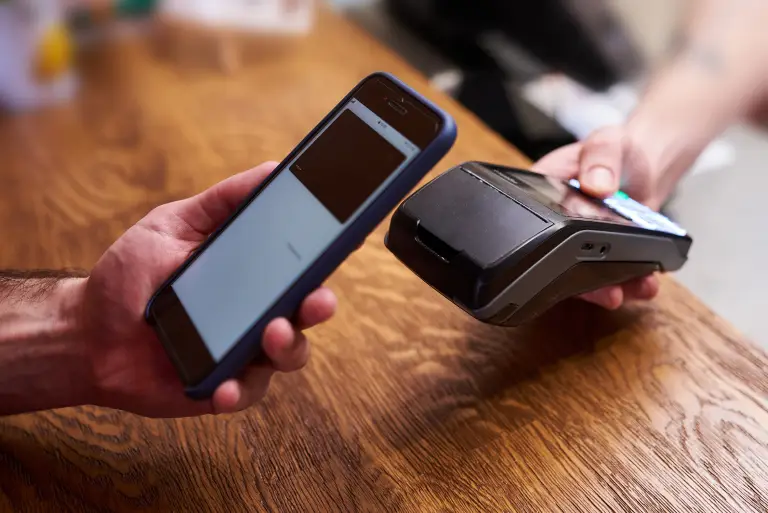
Payment System
top
Simple Steps to Complete Your Payment Securely and Efficiently
Making a payment on our website is quick and secure. Start by logging in or creating an account. Select your preferred payment method, input the required details, and review the information. Once you confirm everything is correct, click on the "Submit Payment" button. You’ll receive instant confirmation and can track your payment status through your account dashboard. It’s an easy and secure process.
Go to the Payment Section: Access the payment area on our website or app.
Choose Your Payment Method: Select your preferred payment option.
Enter Payment Details: Provide the necessary payment information.
Verify Your Information: Check that all details are correct.
Confirm Your Payment: Click "Submit Payment" to complete the transaction.
In the digital age, privacy concerns have become increasingly paramount, prompting the European Union to enact the General Data Protection Regulation (GDPR) in 2018. Among its many provisions, GDPR sets strict guidelines for the collection and processing of personal data, including the use of cookies on websites. Privacy Policy
Allow
Decline